







 :
:

UK: Independent hotels across Great Britain are changing how to price rooms, deploy staff and prioritise investment as sustained cost increases force fundamental changes to daily operations.
According to operators within BWH Hotels GB, the response is increasingly focused on long-term resilience rather than short-term mitigation.
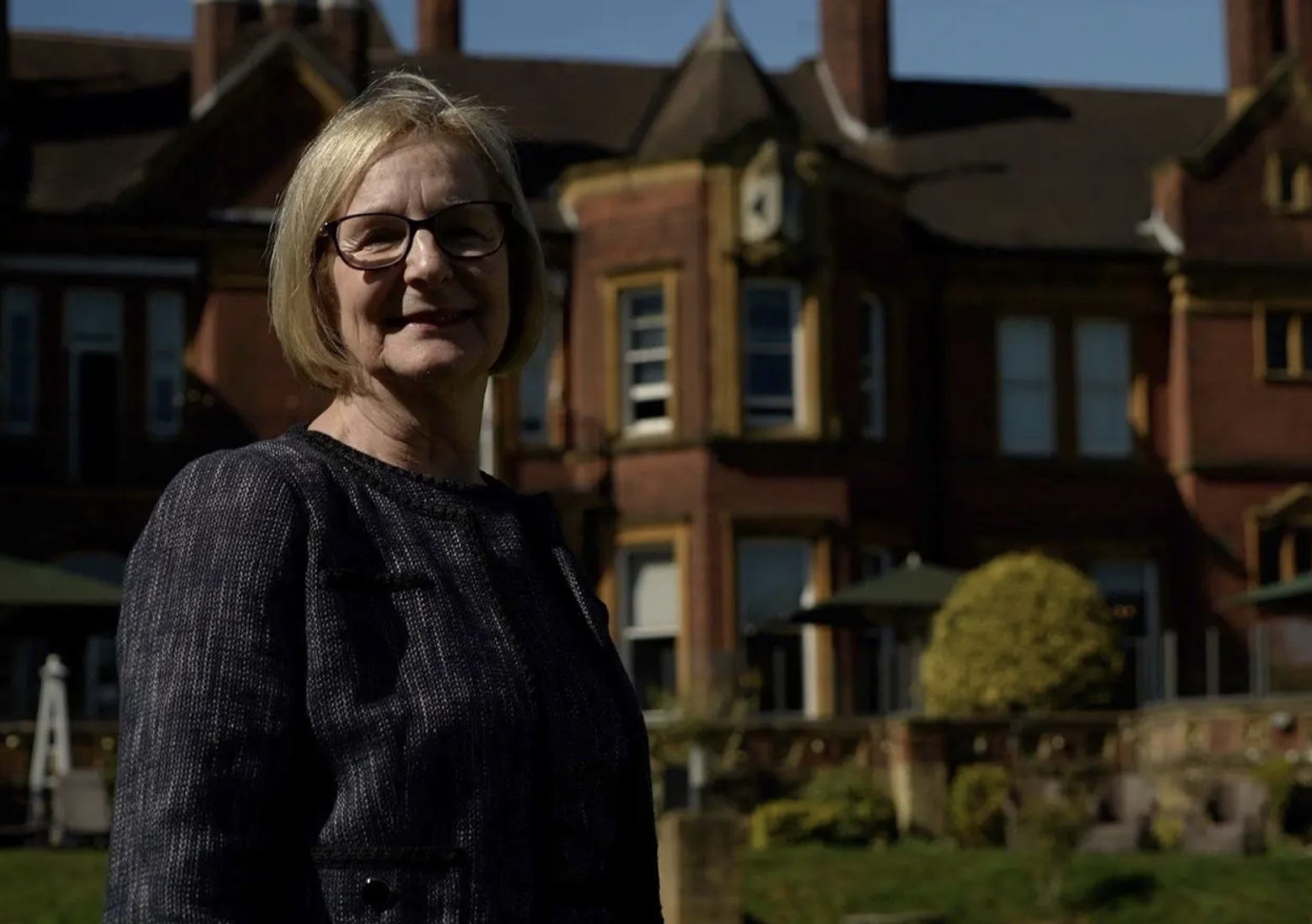
Angela Burns, CEO of Webb Hotel Group, which operates three properties in BWH Hotels GB brands, said the current environment is accelerating operational change. “Wages and rates are the biggest pressure points, but what matters now is how we respond operationally. We are changing how we deploy teams, making roles more flexible and negotiating more actively with suppliers while also looking at how we diversify revenue streams.”
She added that efficiency and flexibility are now central to the business strategy. “Multi-tasking employees, more flexible opening hours and more innovative pricing structures are all part of how we are responding. The focus is on maintaining quality while improving resilience.”
Georgina McIlroy, part-owner of Best Western Premier Doncaster Mount Pleasant Hotel, said rising costs are also driving changes in how hotels invest and grow revenue. “Costs are rising in every area of the business – wages, suppliers and overheads – alongside significant increases in business rates and utilities. That is forcing us to look more closely at how we operate and where we invest.”
She said the response is a combination of cost control and new revenue strategies. “We are exploring more sustainable infrastructure including energy efficiency measures, while also looking at ways to diversify revenue and broaden our offering. By driving greater economies of scale and making targeted investments, we are working to offset some of the external cost pressures.”
McIlroy added that the shift is long-term rather than reactive. “We are taking a more proactive approach, focusing on building a model that is sustainable over time rather than responding to each individual cost increase.”
Robert Smith, owner of Best Western Plough & Harrow Hotel and chairman of BWH Hotels GB, said operators are becoming more selective in how and where they invest. “The most recent increases have had a direct impact on how we structure staffing and manage labour on a day-to-day basis, which is driving a more disciplined approach across the business.”
He said this is also influencing capital investment decisions. “We have postponed refurbishment plans in some cases as we prioritise cashflow and operational stability. That is not a step taken lightly, but it reflects the need to be more considerate about where capital is deployed in the current environment.
“We are also focusing on driving more direct bookings through our partnership and making better use of revenue management systems to improve performance. All while reviewing costs across areas such as energy, consumables and service delivery.”
Tim Rumney, CEO of BWH Hotels GB, said the sector is undergoing a shift in how independent hotels are run “For a typical 60-bedroom hotel, the latest minimum wage increase alone could add £30,000 to £40,000 to annual costs. That’s before any of the other pressures are even considered, such as volatile energy bills, rising business rates, the deeply flawed ‘Holiday Tax’ proposal, and the increase in employers’ national insurance. At some point, something has to give.
“What we are seeing is a period of adjustment, where operators are refining their business models, improving efficiency and becoming more sophisticated in how they manage demand and costs.”
He added that independents are likely to emerge more focused and commercially disciplined. “Those that adapt their pricing, staffing and investment strategies will be better positioned for the future, particularly as guest expectations continue to evolve. Our role is to support that evolution, helping independent hoteliers retain their identity while strengthening the commercial foundations of their businesses.”