







 :
:

Matt Williams, director of hotels at Dominus Hospitality, examines what makes a successful hotel in London’s competitive market.
Location, location, location has been a fixture of primetime British television for over two decades, and the principle it made famous applies just as much to the hotels we stay in as the homes we buy. It can make the difference between a successful hotel and an unsuccessful one. It shapes the guest you can attract, and from that, the brand you operate under.
Tourist numbers across the UK have continued to rebound post-Covid, translating to strong demand for hotels. But in that time guests have become more discerning, driven by the wealth of information available to them in an age of AI. So while location remains the foundation a successful hotel is built on, operators cannot rely on it alone to drive performance. Sustaining room rates and long-term profitability increasingly depends on creating distinctive experiences that guests actively seek out.
Delivering an exceptional guest experience starts by ensuring the hotel blends seamlessly with its surroundings. Understanding what makes an area distinctive is crucial. This is particularly true in London, where the neighbourhood identity can influence booking decisions. Visitors choose the likes of Shoreditch, Covent Garden, King’s Cross or the City of London for different reasons, from great shopping, easy transport links and walkability, to buzzing night life and restaurants, and hotels that reflect the character of their surroundings are often better positioned to stand out than those that could exist just anywhere.
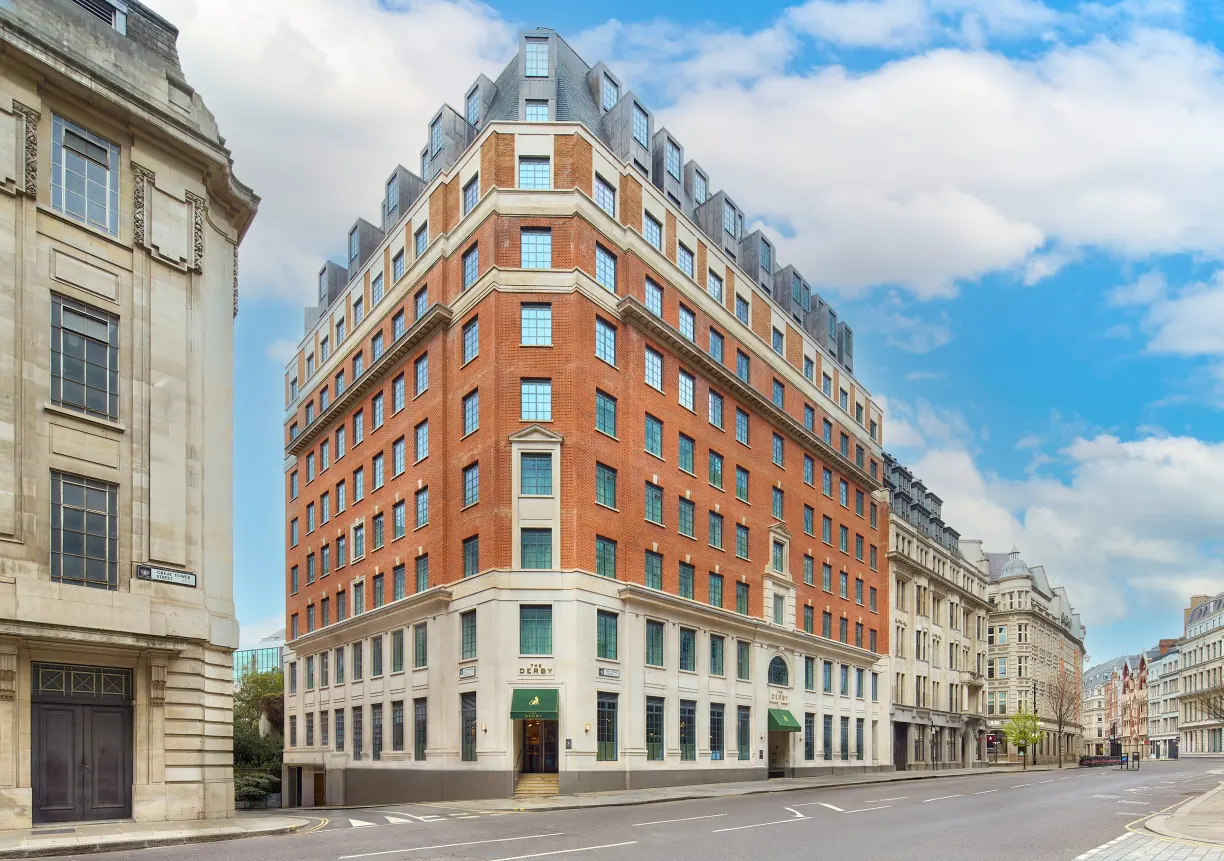
The City of London illustrates how these dynamics continue to evolve. Once defined primarily by weekday business travel, the Square Mile is becoming a more diverse seven-day destination, supported by the City of London Corporation’s Destination City strategy. As areas change, hotels can contribute to their transformation, creating spaces that serve local communities as well as visitors.
At Dominus, this approach is exemplified across our portfolio, where a clear focus on location, brand identity and guest experience reflects a broader shift in what guests value. Travellers are looking for experiences that feel connected to a destination’s character, which means the most successful hotels are built around a clear role they want to play within their city and neighbourhood.
In this context, the operating model and brand affiliation should be shaped by the location, the customer profile and the experience a hotel is seeking to create. Establishing a clear guest proposition is essential, and soft brands such as Hilton’s Curio Collection and Marriott’s Autograph Collection offer a balance: allowing hotels to retain their individual identity and sense of place while benefiting from global distribution networks and loyalty programmes.
Beyond the location, operational effectiveness must be considered from day one, particularly in hotel conversions where design decisions are shaped by the existing building. Conversions are not only more sustainable, but they also enable the history of the building to influence the hotel’s story. Early operational input into design helps optimise space and ensure the guest experience is built in from the start.
Ultimately, however, a perfectly located, expertly branded and well-designed hotel will not succeed without the team running it. At a time when the hospitality sector continues to face recruitment and retention challenges, attracting and developing talent is essential. Guests remember how they felt more than the interiors, making service standards, local expertise and genuine hospitality critical to the overall experience. Investing in people is not simply an operational consideration, but one that directly influences guest satisfaction, reputation and commercial performance. Talent development should be viewed as a strategic priority, with a strong focus on training, mentorship and internal progression to ensure colleagues can grow into leadership positions.
London’s hotel market is entering a more sophisticated phase. Demand remains strong, but success will increasingly be determined by how effectively hotels connect with their surroundings and deliver memorable guest experiences.
The fundamentals still matter: the right brand, the right location, the right team and operational excellence from day one. But in an increasingly competitive market, long-term value will be created by hotels that offer something visitors cannot find elsewhere and become destinations in their own right.