









 :

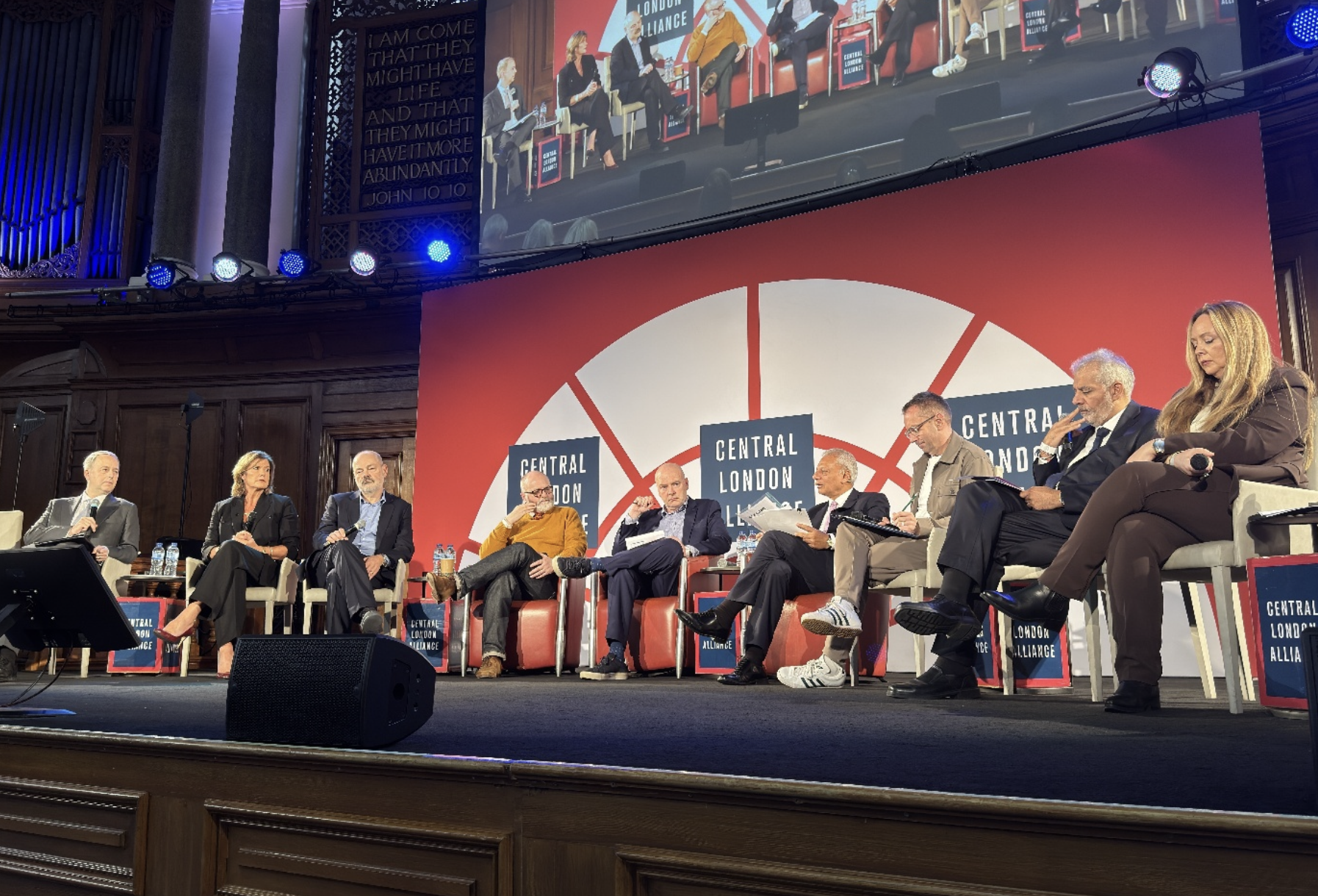
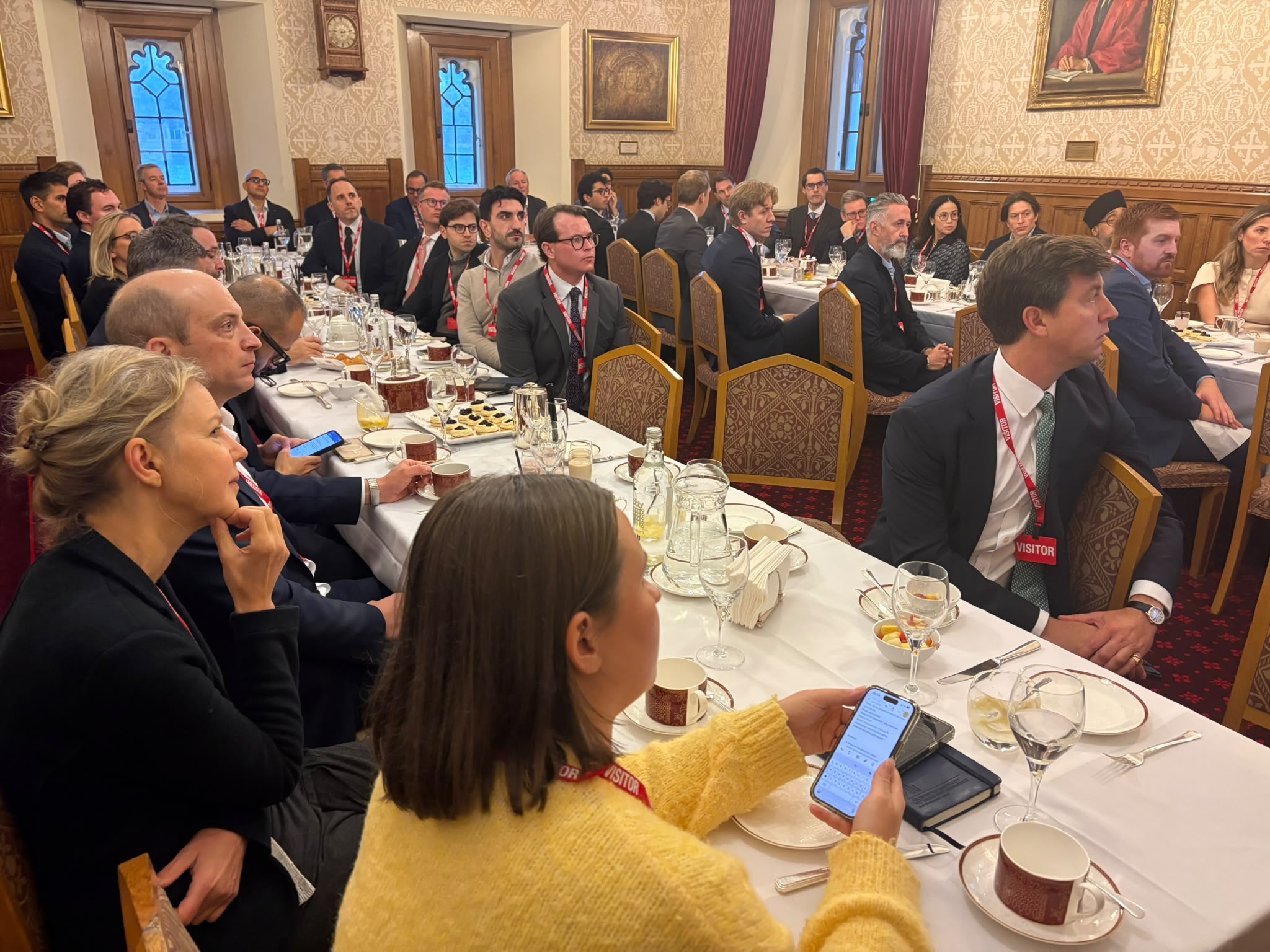
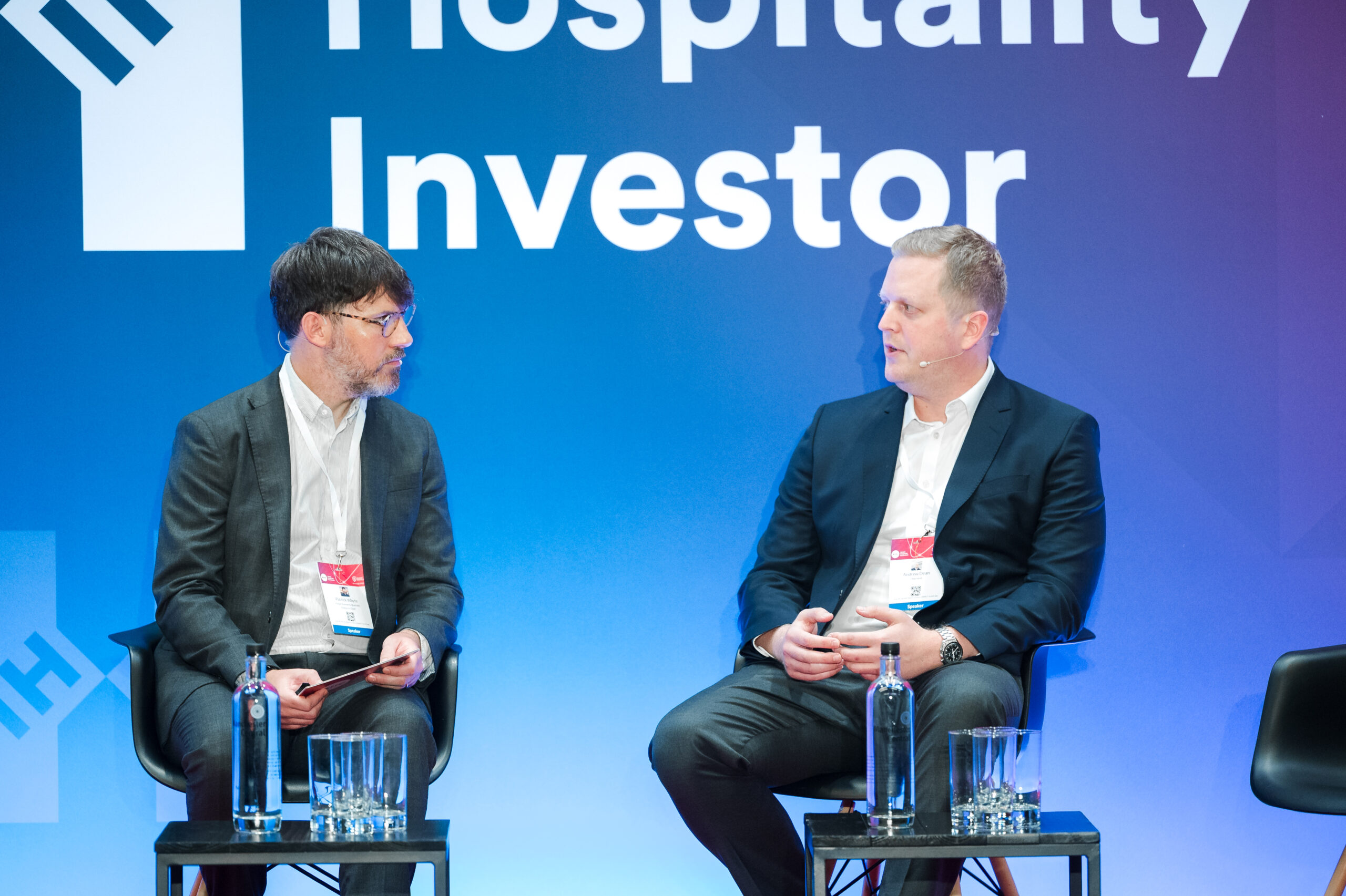
UK: Central London Alliance hosted its annual Business Summit, bringing together business leaders, policymakers, and innovators to examine the forces shaping the London’s future.
Opening the debate, Tony Matharu, chairman of the Central London Alliance (CLA), called for a serious and immediate rethink of how the capital’s future is shaped.
“The capital is suffering from anxiety and uncertainty; that’s not good for business. It’s not good for the way in which we make decisions about our lives, including allocating resources and investment,” Matharu said. “With the dawn of yet another new age at No.10, it’s almost inevitable that business leaders question whether their government gives London enough credit for the role it plays as a powerhouse that provides economic benefit across the UK, funding public services throughout the nation.”
In the opening panel discussion – London’s Hospitality: The issues keeping hospitality leaders up at night – moderated by Piers Brown of IHM, taxes became a central theme of the discussion. National Insurance contributions continue to have a debilitating impact on businesses, and the proposed visitor levy “runs the risk of destroying any economic value” said Sally Beck, deputy managing director of The Landmark Collective.
During a later conversation, which explored ‘Doing Business in London: Tax, Regulations, Finance, Diversions and (Dis)Incentives’, James Quarmby of Stephenson Harwood warned that food and beverage operators are shedding staff, while the prospect of taking on younger workers is becoming increasingly difficult to justify.
Khalid Talukdar, co-founder of DKK Partners, added:“Dubai uses English law pretty well but here in UK we have allowed our regulations; statutes and laws to be mutated to something we don’t recognise anymore. In Dubai, setting up a business, accessing finance and recruiting staff can be relatively straightforward. In London, you practically need to be Dora the Explorer to find your way through the bureaucracy.”
So how does London turn ambition into actual economic growth? Nia Fraser, partner at Newmark, shared how negotiations over Section 106 agreements can drag on for a year or two before work can begin. “Planning permission, it seems, is less a green light than an invitation to join another queue,” she said.
Gareth Hughes, partner at Keystone Law, suggested that planning permission might depend on the cash a developer is prepared to pay, rather than the economic and other value a new development might create. He also argued that Westminster’s licensing rules are holding back hospitality in the West End. “You have got to encourage people to come in, and at the moment the policy is very restrictive,” he said.
Matharu added: “Our leaders in the cabinet, and those who should be representing London’s business interests, either don’t understand business, particularly privately owned business, or that understanding is limited. Either way, London’s business voice is absent or muted: ‘economic illiteracy’ is being priced by the market, with a high price for government gilts. Whatever messages are being heard, or not with the absence of any voice, the vacuum of silence from our leaders has not had a positive impact.”
In the concluding panel – Destination London: Shaping the future of the capital – Jessica Berk Ross of FINN Partners argued thatchanging perceptions, better leadership and enhanced branding are key. London could make much more of its vibrant mix of culture, hospitality, retail and entertainment, but the city’s offer is insufficiently well articulated and its representation is too fragmented to achieve the outcomes it needs.