







 :

[Sponsored] At the Central London Alliance Summit 2026, hospitality leaders warned that the proposed Overnight Visitor Levy threatens London’s growth.
If we cast our minds back to the summer of 2012, London became the centre of the world as it hosted the Olympics. Union Jacks lined The Mall, Olympic rings hung from Tower Bridge, and as the Olympic torch wove its way towards the capital, the vibe was electric for residents and visitors alike. Even the late Queen famously played her part as she seemingly ‘parachuted’ from a helicopter with James Bond for the opening ceremony.
In the decade that followed, that golden summer translated into hard economic currency, generating an estimated £28 billion to £41 billion in gross value added (GVA) for the UK economy. Yet today, that Olympic afterglow has undeniably dimmed. A relentless combination of Brexit, a global pandemic, unjustified and unexplained rising business rates, over regulation, delays and spiralling operating costs have taken their toll on London’s hospitality sector.
The latest friction comes in the form of the proposed Overnight Visitor Levy, or ‘Bed Tax’. On 4 November, the Government introduced legislation giving regional mayors the power to impose a charge on overnight stays. While Mayor Sadiq Khan has backed a charge capped at five per cent of accommodation costs, a 20 per cent VAT rate will sit on top which other countries do not charge or have to collect. Industry leaders warn that adding another layer of taxation risks deterring international travellers at a time when businesses are desperate for relief. The further complaint that they will again be obliged to act as tax collectors for a tax which had no democratic or industry sector scrutiny.
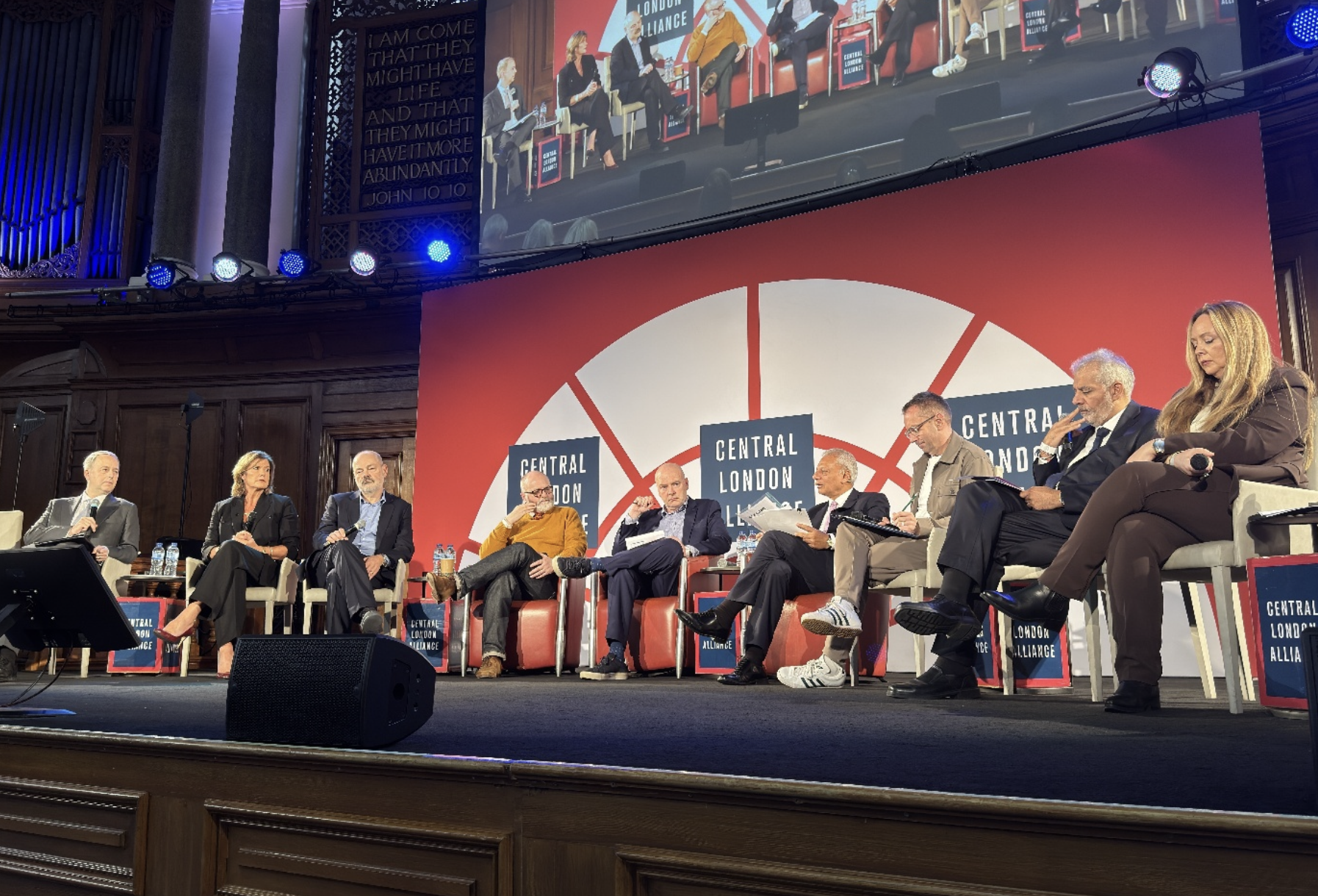
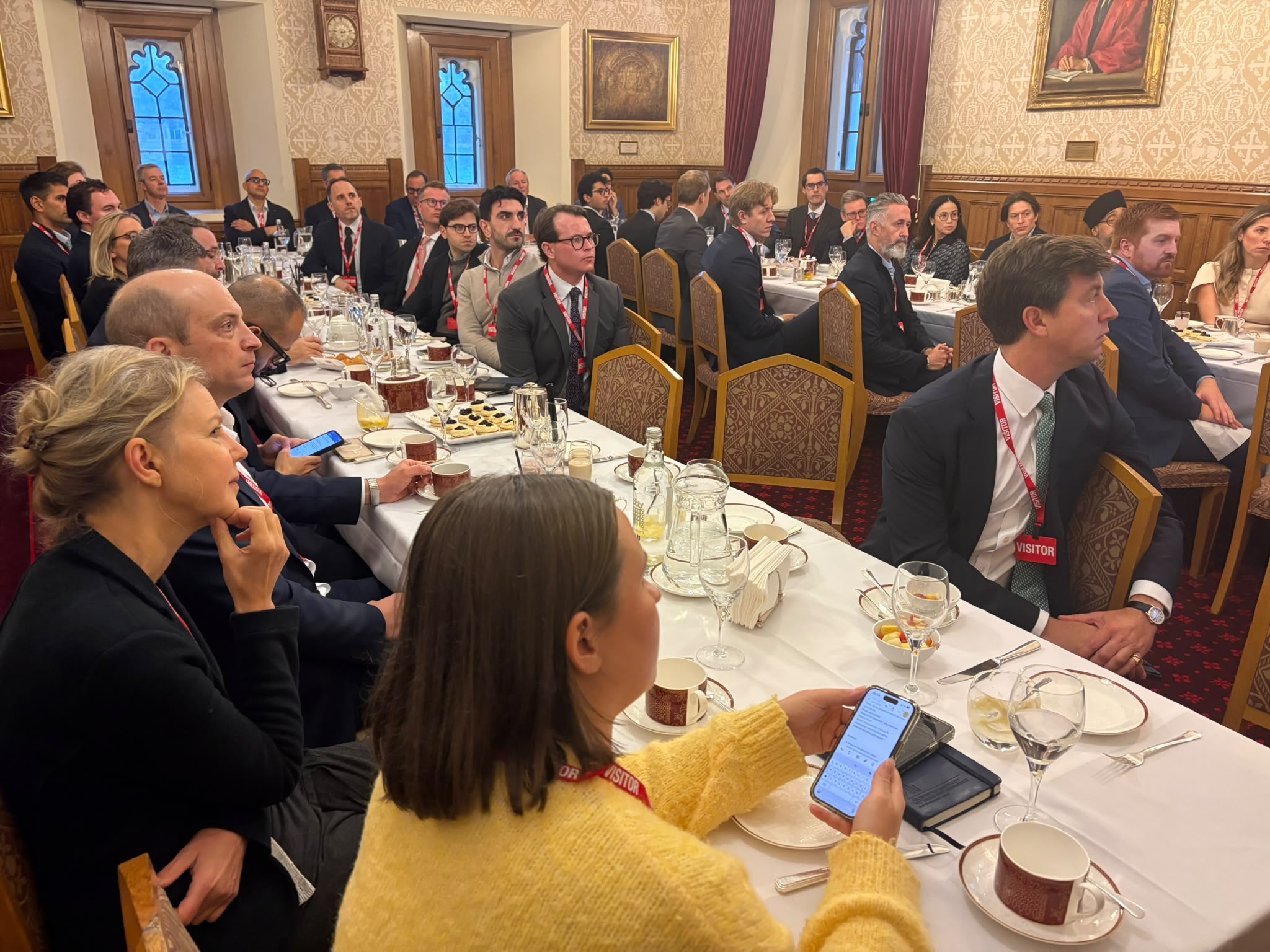
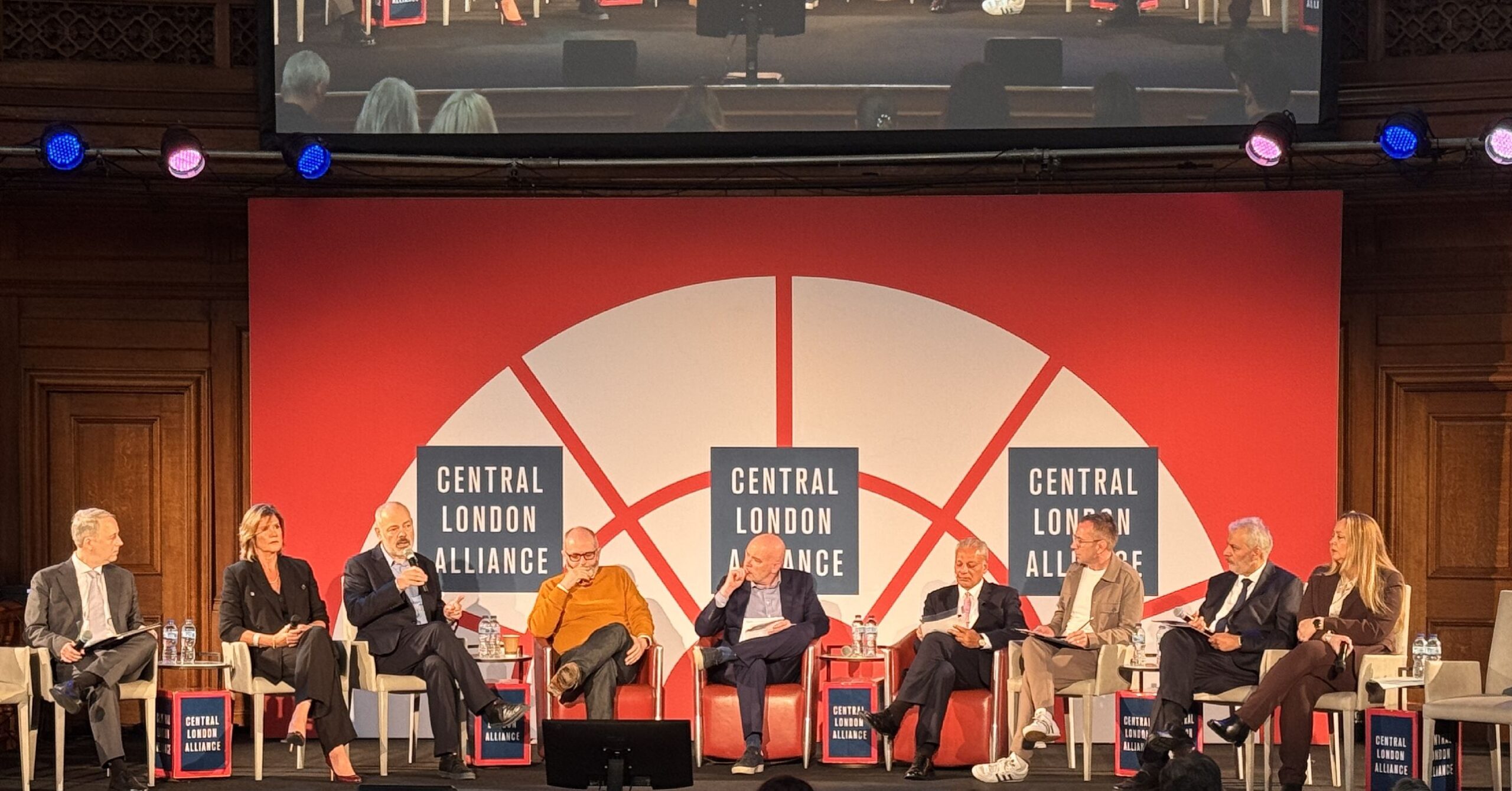
The stark reality of these pressures was underlined at this year’s Central London Alliance Summit in Westminster. During the London’s Hospitality: The issues keeping hospitality leaders up at night panel discussion, there was strong consensus that the introduction of the Bed Tax was almost certain to backfire dramatically.
Sally Beck, deputy managing director of The Landmark Collection, told delegates that the ‘Bed Tax’ risks alienating lucrative tourists and driving major conferences and corporate exhibitions and events straight to competing European destinations. “It runs the risk of destroying more economic value than it actually creates,” Beck argued, noting that the legislative momentum was premature. “Policy makers are spending more time thinking about how they’re going to spend the money than how it can be collected, or whether it should even be in place at the outset.”
Beck highlighted what she saw as a severe lack of meaningful consultation with London’s hoteliers, calling for a rigorous economic impact assessment before any policy was finalised. “There’s been no impact study at all as to what this will actually do to London. Look at the Fringe this summer: Edinburgh hotels missed out because travellers and tourists chose to stay in Glasgow, where they didn’t face a levy, and simply travelled in for the day.”
The legislation introduced since the Summit now requires authorities proposing a charge to publish a draft scheme and an assessment of its expected economic impact, and to consult businesses and residents before making a final decision. Whether those safeguards will address the industry’s concerns remains to be seen. Hoteliers do not believe so and have pointedly not been consulted despite being targeted to impose and collect it.
Cedric Horgnies, commercial vice president at YTL Hotels, questioned whether London needed another tax on visitors and whether the hospitality sector would see any of the revenue raised. “There are other countries and cities that want the Bed Tax. They want fewer visitors, like Venice. But that’s not the case for the UK and London,” he argued. London does not suffer from ‘over tourism’.
Horgnies also pointed to the absence of any commitment to ring-fence the revenue for reinvestment in the visitor economy, raising questions about whether the businesses generating the money would see any real benefit. Although the new legislation requires money raised “to remain in the local area”, it does not guarantee that it will be ring-fenced for the hospitality and tourism sectors, nor particularly for the hotels who are legally required to collect and remit it. Housing, police, transport and other Mayoral priorities are not to be ignored, but why should hotels pay?
Mark Williams, deputy chief executive of Heart of London Business Alliance, shared those concerns, warning that another charge would add to the pressures facing West End businesses. “We’re not supportive of that in the current economic environment,” he said. For Williams, the capital’s hotels, cultural venues and offices form an interconnected economy, meaning additional costs for one part of the sector can have negative consequences for others.
For hospitality businesses operating within Westminster City Council’s boundaries, there is also the controversial imbalance in business rates compared with other London boroughs, with the council collecting more than £2 billion a year. This demonstrates a disconnect between pro-growth strategies and strict local regulations aimed at protecting residential areas.
Tim Barnes, deputy leader of Westminster Council and cabinet member for Growth and Planning, backed calls for a coordinated campaign to ease the cumulative tax burden crushing the hospitality sector. For Barnes, the danger of layering a new Overnight Visitor Levy on top of existing fiscal demands isn’t just a theoretical policy debate; it is a reality already killing West End businesses.
“There was a venue in my ward in Soho which was making about £100,000 a year, it was a large venue with a large number of part-time staff. The tax changes in the 2024 Budget, not just National Insurance but others, cost the operator £300,000, taking it from £100,000 profit a year to a £200,000 loss. Six months later, they closed.”
Hospitality investment expert Andrew Sangster suggested the industry might be better off changing its approach altogether. Rather than simply calling for lower VAT as UKHospitality has and business rates reform, which needs root and branch review, he argued that the hospitality sector needed to make a more persuasive case for its positive contribution to jobs, growth and the wider economy.
With hospitality offering a vital route into employment, particularly for young people, Sangster urged businesses to show ministers what the sector could do for London and the country, rather than merely what the Treasury could and Government might impose on them. “We can bring solutions to Government, and the Government needs to engage with us and talk to us about that.”
Rajesh Vora of Sarova Hotels highlighted how mounting cost pressures were affecting operators’ willingness to invest. “We are reluctant to grow businesses. We are reluctant to reinvest in our portfolio,” he said, warning that the financial risks were becoming increasingly difficult to justify. He also pointed to the loss of VAT-free shopping for overseas visitors, arguing that the consequences extended beyond retail to restaurants, theatres and hotels.
With Britain’s relationship with Europe back in the political spotlight, could easier access to our largest local market offer London’s hospitality sector a lifeline? For Naomi Smith, chief executive of Best for Britain, the answer lies not just in Westminster, but in Brussels. Arguing that rejoining the EU could unlock much-needed growth and investment, while easing pressures on businesses struggling with rising costs and labour shortages, Smith urged the Government to take the first step. “Within a year, our Government can set out its intention to begin discussions with the EU about accession,” she said.
London still has the pulling power to attract investment from around the world. The Government’s latest measures including the ‘Bed Tax’ increase the cost of doing business and presents significant unnecessary and unwanted obstacles to growth diminishing incentives to keep going. The question remains whether London’s hospitality businesses can afford to keep rolling out the red carpet with an increasingly hostile tax and regulatory environment.
The Urban Living Festival returns to London on 16th February 2026 at Novotel London West. The event brings together senior leaders from all the asset classes – hotels, serviced apartments, student housing, coliving, build-to-rent, and more.
If you’re interested in learning more about how regulation will affect the hospitality sector, you can join the panel discussion Regulation-Ready moderated by Steve Lowy of the Lowy Group featuring Kate Nicholls, chair, UKHospitality; James Foice, CEO, ASAP; and Janet Uttley, CEO, STAA. No-cost tickets to attend are available for owners, operators, investors, developers, and lenders – register for your pass here.