









 :
:

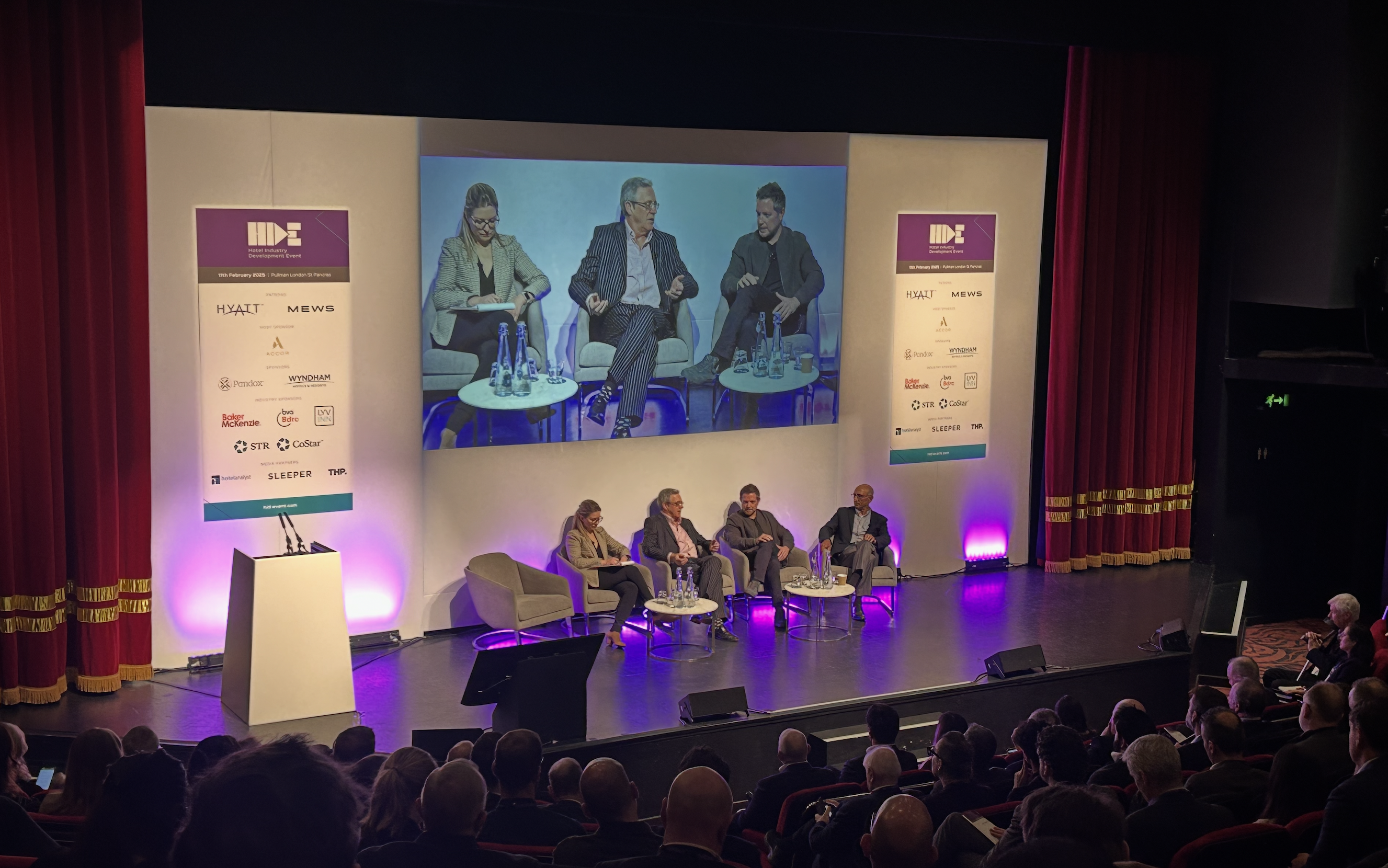
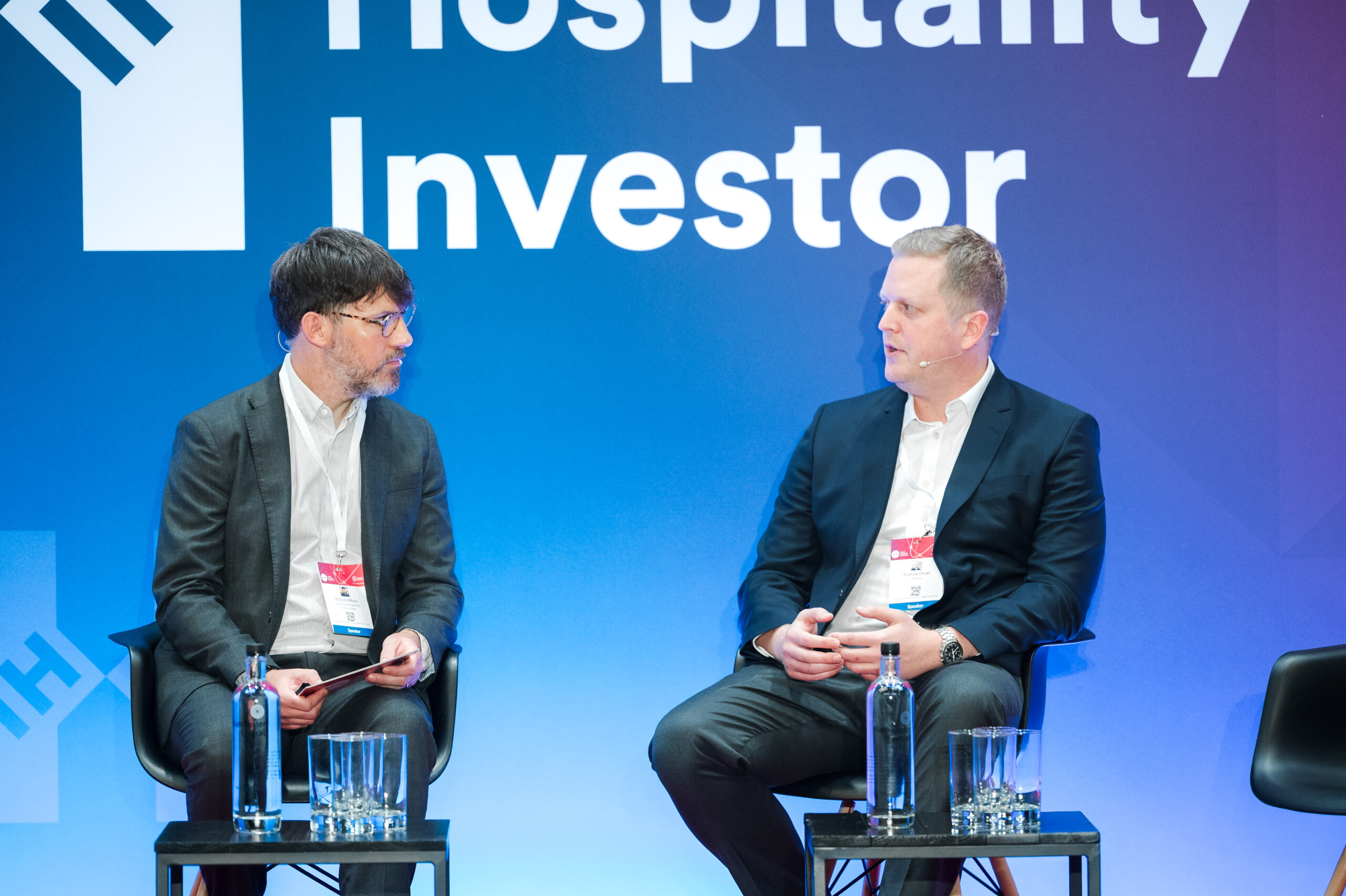
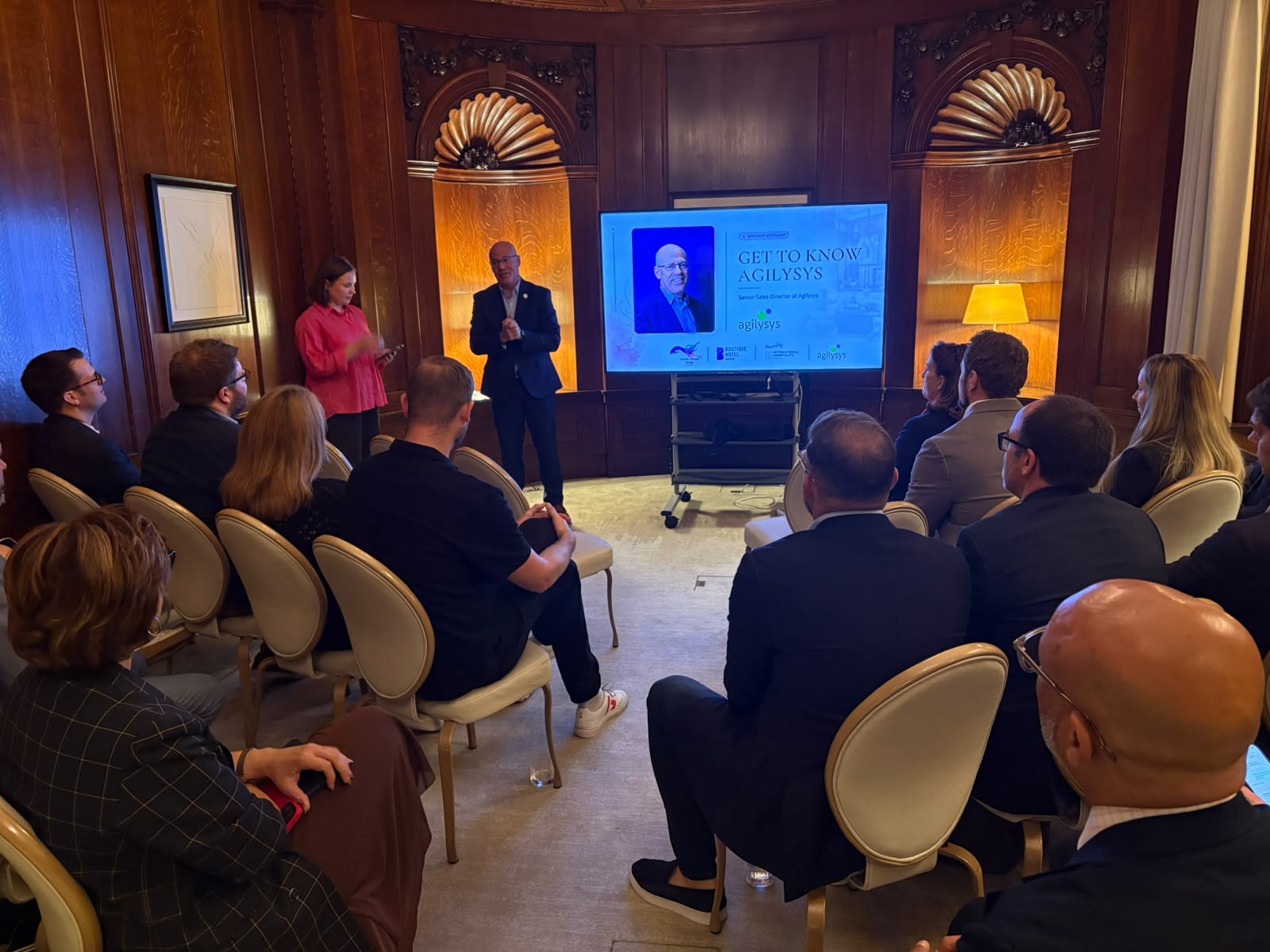
At the Hotel Investment and Development Event (HIDE), hosted at Pullman London St Pancras, lifestyle hotels and the experience economy were placed in the spotlight.
Moderator Heleri Rande, partner at Think Hospitality Group, kicked off the debate with a fundamental question: What is a lifestyle hotel?
Keith Evans, founder and CEO of Lifestyle Hospitality Capital, highlighted the paradox of defining “lifestyle”. He argued that the more one attempts to pinpoint a definition, the further away we move from what it actually is.
Instead, Evans characterised lifestyle as a creative process and the dynamic interplay between variables such as design, F&B, art, music, community, and purpose. It’s how these variables are expressed which captures the essence of lifestyle hotels.
Cris Tarrant, chairman and founder of BVA BDRC, suggested that the key differentiator lies in the type of guest needs being satisfied. Lifestyle hotels go beyond providing a functional stay and the transactional nature of traditional hospitality; they rather focus on creating an emotional connection with the guest.
Navneet Bali, founder and CEO of LyvInn, emphasised the importance of local authenticity however raised the critical question of scalability and the challenge of balancing originality with growth.
Evans elaborated on the lifecycle of a lifestyle brand, outlining three distinct phases: 1) Innovation; 2) Optimisation; and 3) Industrialisation/commoditisation. He cautioned that creativity often gets squeezed during the final phase, suggesting that the longer a brand pursues mass scale, the more its authenticity risks being diluted.
In terms of measuring ROI, Tarrant introduced the EPIC framework – Elevation (beyond the routine of expectations); Pride (of guests and staff); Inside (what can be gained from the local neighbourhood); and Connection (between guest and brand) – as a tool for scoring overall performance.
These four elements represent the core values that drive guest loyalty and willingness to pay a premium for lifestyle stays, he said. Evans added that a yield on cost is the most important variable to test ROI, highlighting profitability per square metre as a key metric and citing a 20 per cent premium in this area for lifestyle properties.
Bali expanded on the importance of connection, noting that customers crave connections with locals as well as with each other. He pointed to the emergence of hotel/hostel hybrids as new models that cater to the desire for shared experiences and community.
While a definitive definition of “lifestyle” remained elusive, the customer-centric angle of the discussion underscored its importance as a driving force of the fast growing segment.