









 :
:

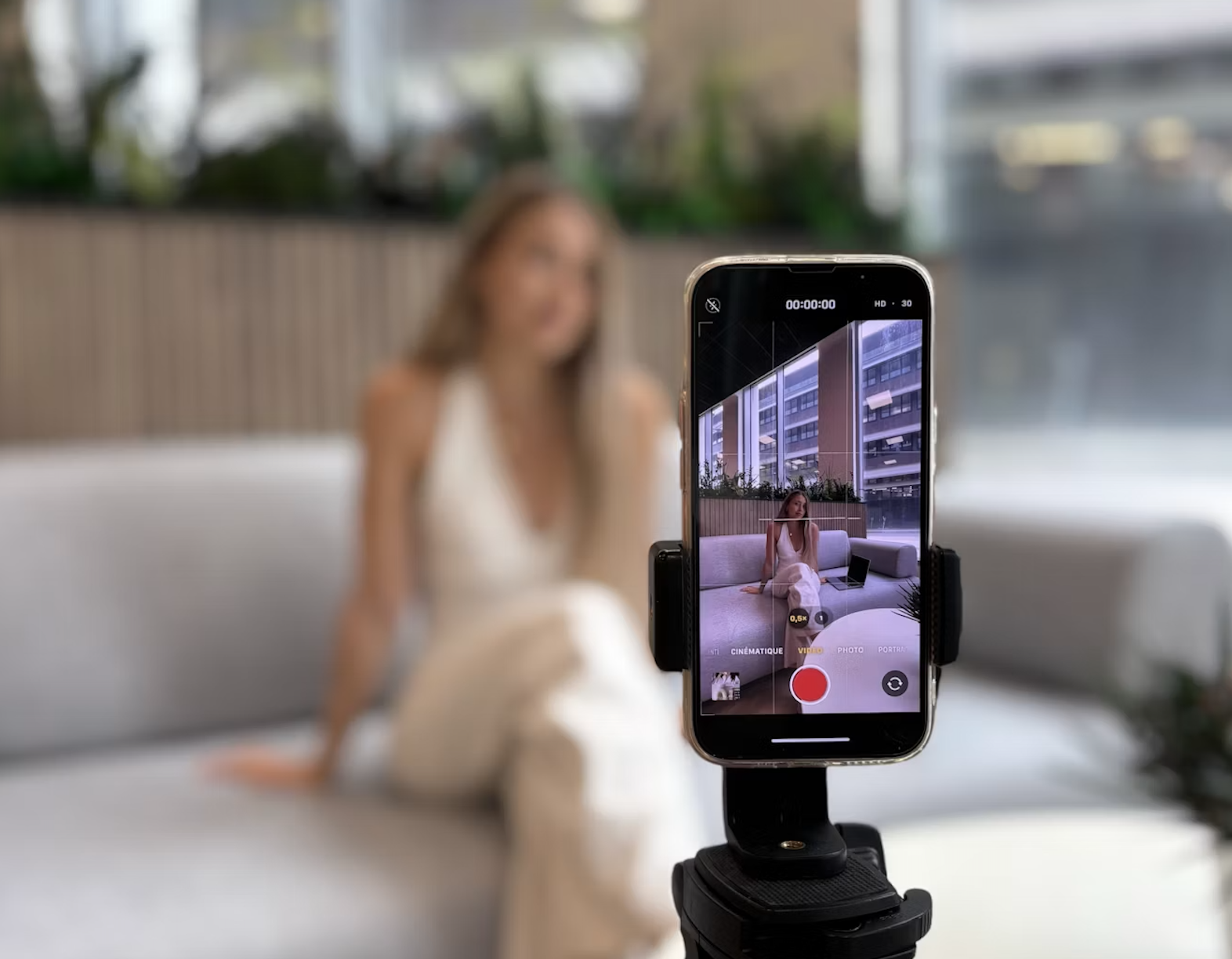
Becca Krug, client services director at Davies Tanner, outlines the most effective influencer approaches and key considerations for hotel brand awareness on social media.
The influencer market is worth a staggering £2.9 billion in the UK. As a marketing sector it has grown rapidly, at roughly 23 per cent per year since 2024. And with approximately 55 million active social media users in the UK in 2025 – equivalent to around 79 per cent of the population – social media continues to play a central role in how people communicate and engage with businesses.
For hotels, social media has become one of the most influential discovery channels in the guest journey, particularly for lifestyle, luxury and experiential travel brands. And it’s no longer just about an influencer’s own followers – the rise of AI-powered search means that large language models now draw on credible content from across the internet, including influencer reviews, when recommending hotels to potential guests.
Whether it’s TikTok and Snapchat, or YouTube and Instagram, influencers have capitalised on this change, building highly engaged audiences and becoming powerful voices in shaping opinions and purchasing decisions.
Importantly, influencer marketing is booming because people trust it. According to research by Edelman, 61 per cent of consumers trust influencer recommendations compared to 38 per cent who trust brand content.
The industry has evolved significantly since the early days, with content creation now widely recognised as a professional career rather than a side activity driven by perks or occasional sponsorships.
Compensation for an influencer’s time, creativity, and expertise is now the standard, and is no longer determined solely by follower count. Instead, a range of factors increasingly shape rates, including audience engagement, content quality and format, the influencer’s niche expertise, the scale and positioning of the brand, and whether the collaboration is short or long-term.
As influencer marketing has become more widespread, so too have the rules governing transparency. In the UK, if you pay an influencer to promote your brand, it must be disclosed as advertising (with the label #Ad, or stating that it is a paid partnership). A complimentary stay only (even if there is no other formal reimbursement), will usually also need to be clearly disclosed as advertising.
Well-executed influencer marketing – whether labelled as an ad or not – is highly effective because audiences are often responding to the creator’s credibility, style, and fit with the product, not just whether the post is paid.
That’s because a good influencer strategy should always be first and foremost about authentic fit. The most effective influencer strategies are rooted in alignment – matching the right creator with the right audience, at the right stage in the journey. This is what will enable the influencer to portray your brand with enthusiasm to their audience, which you are ‘borrowing’ for the duration of your agreement with them.
To achieve this level of authenticity, it’s essential to clarify what you hope to achieve from an influencer marketing strategy and be honest about how your brand aligns with your target audience. For example, do you want your hotel reviewed by a selection of local foodie influencers to promote your new restaurant or menu? Or is it more important to be associated with national lifestyle influencers to promote your hotel as a luxury resort? Do you want to attract young, 30 somethings, retirees, families?
If your hotel genuinely offers something that will resonate with a particular audience, you will be able to find an influencer who can showcase it in a way that feels authentic, whether through a paid partnership or organic outreach.
In influencer marketing, success is rarely determined by follower numbers alone. The strongest influencer partnerships are driven by audience relevance, brand alignment and credibility. If an influencer with a large following genuinely fits with, and is interested in your brand, then it could very well be worthwhile. But in practice, we often see boutique hotels achieve stronger engagement rates through carefully selected micro influencers than through larger one-off celebrity collaborations.
Influencers with smaller follower numbers shouldn’t be overlooked. They often have highly engaged and well-defined audiences, allowing you to target specific traveller segments with greater precision. They may be more open to agreeing specific terms with you, and joining them at the beginning of their journey can be the start of a consistent, mutually beneficial long-term partnership.
It’s worth noting that deliverables can often be defined in advance, particularly with more structured influencer partnerships. This can include the number of posts, reels or stories, key messages, and any required hashtags. However, the more scripted a post feels, the less authentic it may appear, potentially reducing its impact with the influencer’s audience.
There is also an increasingly important discoverability factor at play. Social media content is no longer confined to the platforms themselves – it is influencing how people search, research and discover brands online. From TikTok search and Instagram recommendations to AI-powered search experiences, creator content now contributes to a hotel’s wider digital footprint and visibility. That means influencer partnerships are not simply about immediate reach or engagement, but also about influencing how your brand appears within AI-powered discovery tools and recommendation platforms such as ChatGPT and Claude.
Influencer activity is often most effective when integrated with wider PR, content and social media strategies, helping hotels amplify reach while maintaining consistent brand messaging.
In summary, the world of influencer marketing presents some incredible creative opportunities for hotels to showcase their brands to highly targeted audiences, through channels they use and trust. An effective influencer strategy is no longer just a social media tactic, it is increasingly part of a hotel’s wider discoverability, reputation and content strategy. Ultimately, being specific about your goals and finding influencers who share your values will yield the greatest results.