







 :
:

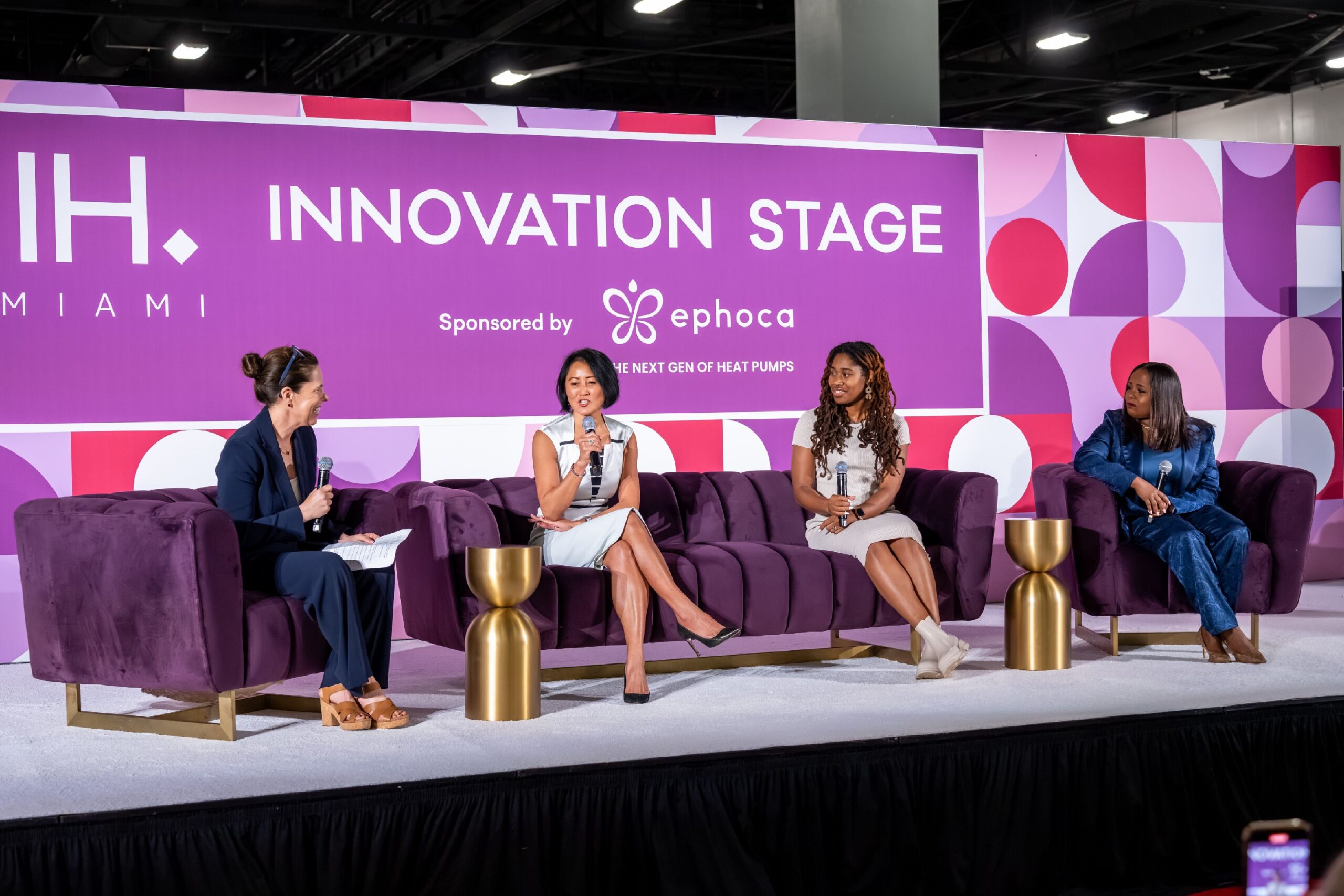
US: The Independent How Show Miami, taking place September 16-17th at the Miami Beach Convention Center, has published 11 trends shaping the event.
Written by hotel travel editor Hamish Kilburn, this year’s pre-show trends explores five themes shaping the seminar program as well as six themes influencing product innovation from exhibitors.
Kilburn says: “The speaker line-up resists the easy sustainability-and-technology binary that has defined hotel conferences for the best part of a decade. Instead, it has been designed as a compelling way to answer a harder question: what, specifically, does an independent hotel need to get right to flex against its branded competitor?”
Five trends from the stage
- Emotionally intelligent hotel design – Guests rarely explain why a hotel feels right – they just know when it does. This theme will thread itself through the show and set out to unpick that instinct – the point where thoughtful design and a sharp brand identity stop being separate briefs and become intertwined as one feeling. The show will explore atmosphere, materiality and the small emotional cues that turn a check-in into the first line of a memory.
- F&B on the map – Large hotel groups have long used food and beverage as connective tissue between properties – a familiar concept repeated across a portfolio, consistency as the sell. The show will argue independents hold the opposite advantage: locality itself, served with an authority no corporate concept can meet. The properties getting talked about on the independent hotel scene are the ones guests would visit even if they weren’t staying there.
- AI reshaping hotel discovery – The discovery conversation has moved on from OTA rankings to something closer to conversational search – guests asking an AI assistant where to stay rather than scrolling to find out is, indeed, a trend we cannot ignore. For independents, that is a levelling of sorts: a well-told story can now compete with a marketing budget it could never outspend. Whether that promise survives contact with the algorithms remains an open question that this session is built to interrogate.
- Cultural infrastructure of independent hospitality – The framing is ambitious, but the underlying shift is real: hotels are being asked to function as civic and cultural spaces – think galleries, meeting points, local archives – rather than simply as places to rest. Independents are arguably better placed to do this than brands built on consistency, since cultural infrastructure, by definition, has to be specific to somewhere.
- Sustainability in independent hospitality – Sustainability sessions have historically struggled to move past intention. This year, the show is framing the topic around the business case, which is the right instinct – independents don’t have ESG mandates handed down from a parent company, so the argument has to work on margin, not morality, if it’s going to change anything on the property.
Six trends from the show floor
- Uniform as brand – Cargo Crew’s presence reflects a broader repositioning of hotel uniform away from generic corporate wear and toward something closer to a wearable brand asset – cut, colour and fabric chosen to immediately say something about a property’s personality.
- The bathroom experience, elevated – Nowhere do details matter more, arguably, than in the bathroom – it’s the one room on the floor plan guests inspect at close range. A soft-bristled toothbrush or a paste sachet that won’t reseal tells a guest something about a hotel’s standards before breakfast does. Curaprox, via Curaden, treats that detail with the seriousness it deserves: Swiss-engineered dental care built to be a marginal gain in the bathroom. Groupe GM and Public Goods apply the same discipline further along the counter – refillable systems, considered formulation, packaging guests are increasingly willing to judge a stay by. None of it is extravagant, and yet all of it is noticed.
- Scent as signature – Scent is the branding tool hotels have been slowest to take seriously – odd, given how thoroughly the perfume industry has already proven the argument. A signature note lodges in memory in an unparalleled way. This year’s sensory design conversation puts scent at the centre of that logic, and Evermere’s ambient systems are a clean example of the shift in practice – fragrance treated as infrastructure, tuned to a space and its personality.
- Walls that work harder – The demand for open-plan lobbies and softer, more residential public spaces have created an acoustic problem – noise, and how badly it can undo an otherwise well-designed public area from making revenue. Belli Arti’s decorative surfaces and Momentum’s acoustic wall coverings are both responses to that pressure, treating the wall as a working surface – art outside the frame – rather than a backdrop. Acoustic performance, once buried in back-of-house specification, is now a visible design decision – and, done properly, an invisible one where guests instinctively feel calmer.
- Merchandise as revenue – Hotel retail spent years locked in the confines of the hotel corridor – a rack of branded tote bags nobody asked for, marked up and mostly ignored. That era, thankfully, is ending. Independents are starting to treat merchandise as a legitimate revenue line, which changes the brief entirely. Oblisque’s presence on the floor speaks to that professionalisation directly – retail built to be judged on its own terms, not purely on the strength of the logo.
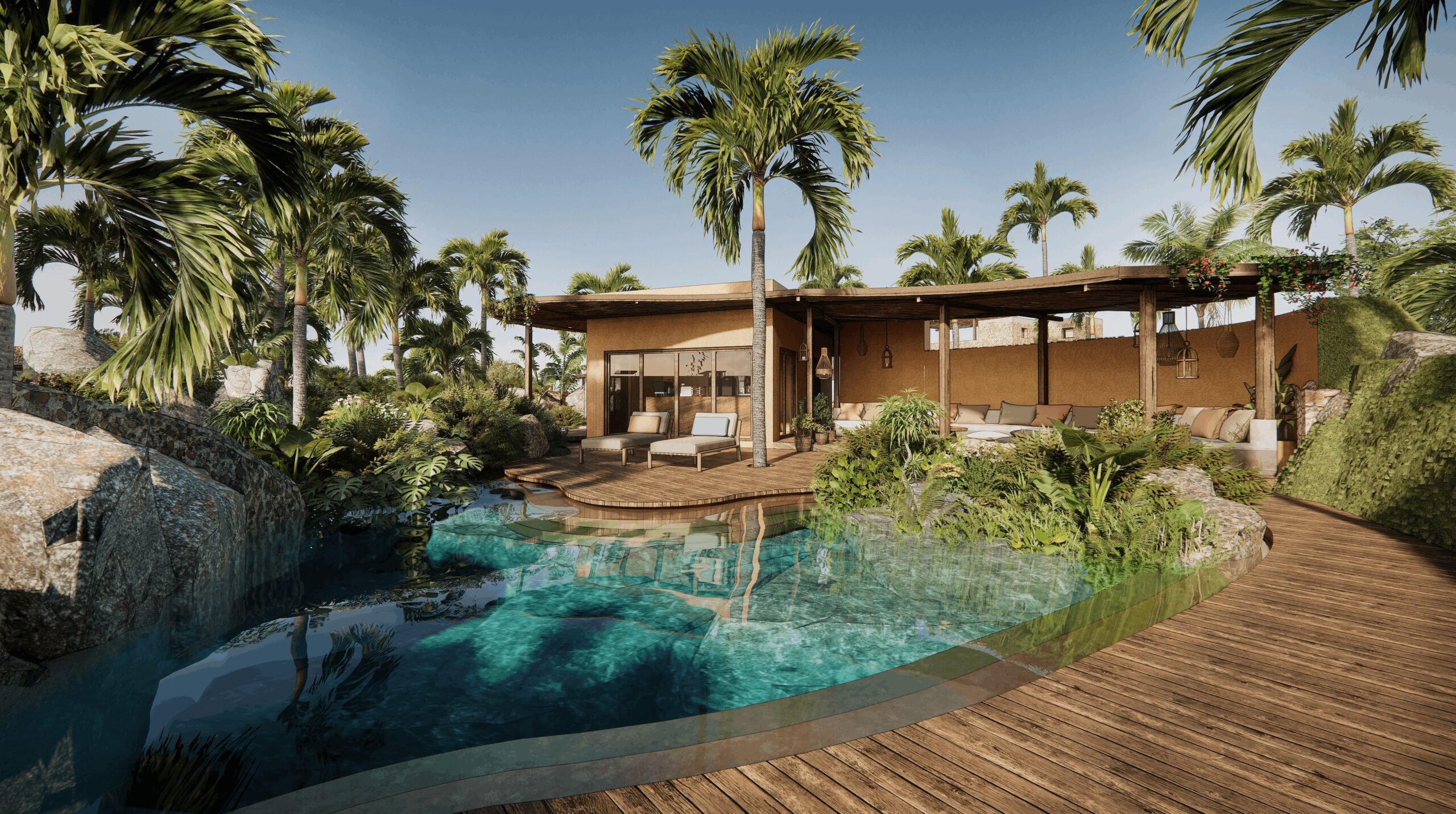
- Indoor-outdoor ambiance – The line between indoor and outdoor is the one lifestyle and independent hotels are pushing hard. Terraces, courtyards and pool decks are being specified with the same rigour as a lobby – lighting layered and furniture built to hold its own against the interior. Lotus Hospitality Products’ ambient lighting and Esti & Esta’s outdoor furniture are both working that blur directly, treating the outdoors as a fully specified room rather than a view from one.
Kilburn adds: “Strip away the session titles and stand names, and this year’s show is making one argument from several directions: independence is no longer a limitation to be designed around, but an asset itself… For an independent hotelier, it’s a reminder of that their greatest advantage has been there all along.”
Boutique Hotel News is a media partner for the Independent Hotel Show Miami 2026. Register for tickets here.