









 :
:


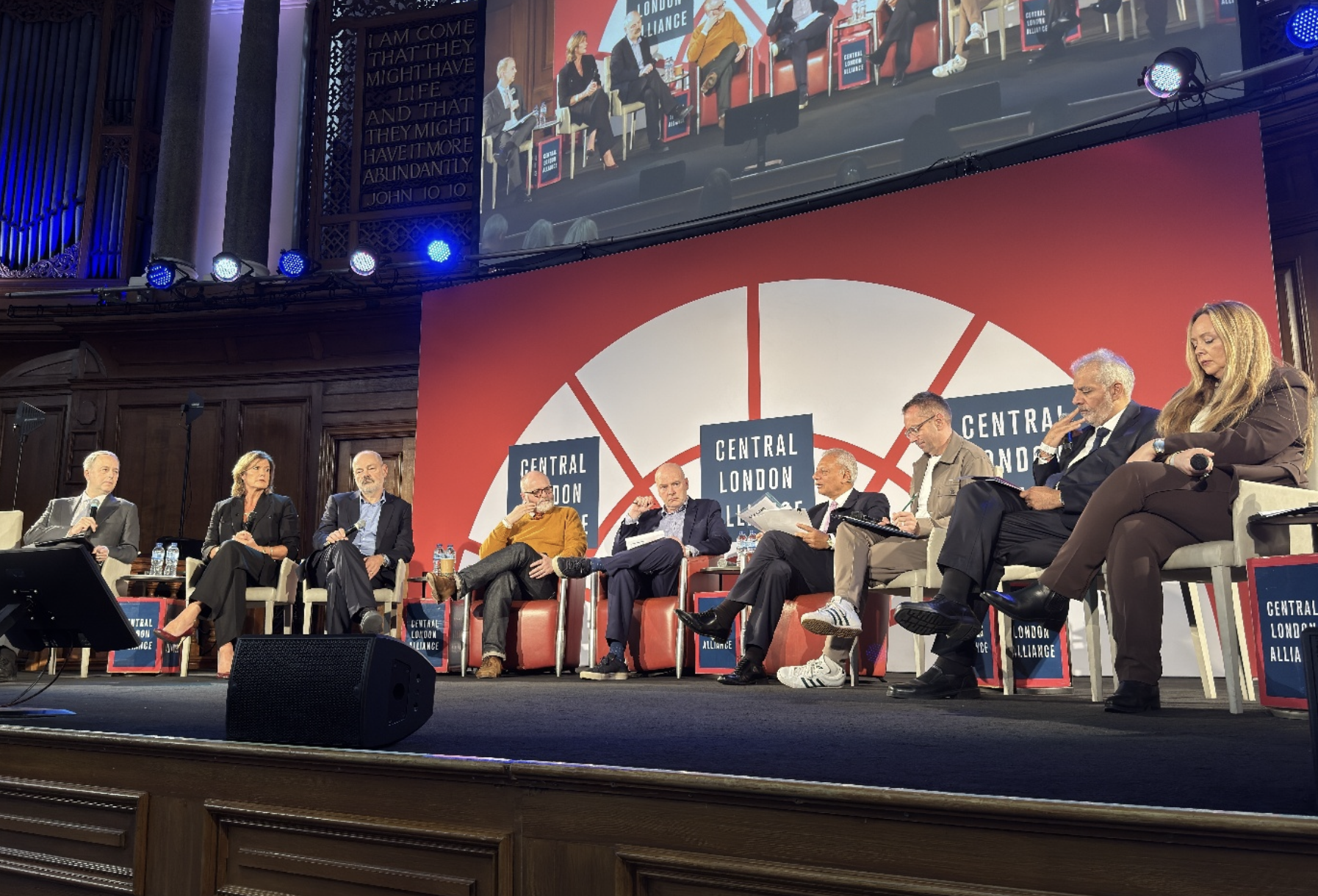
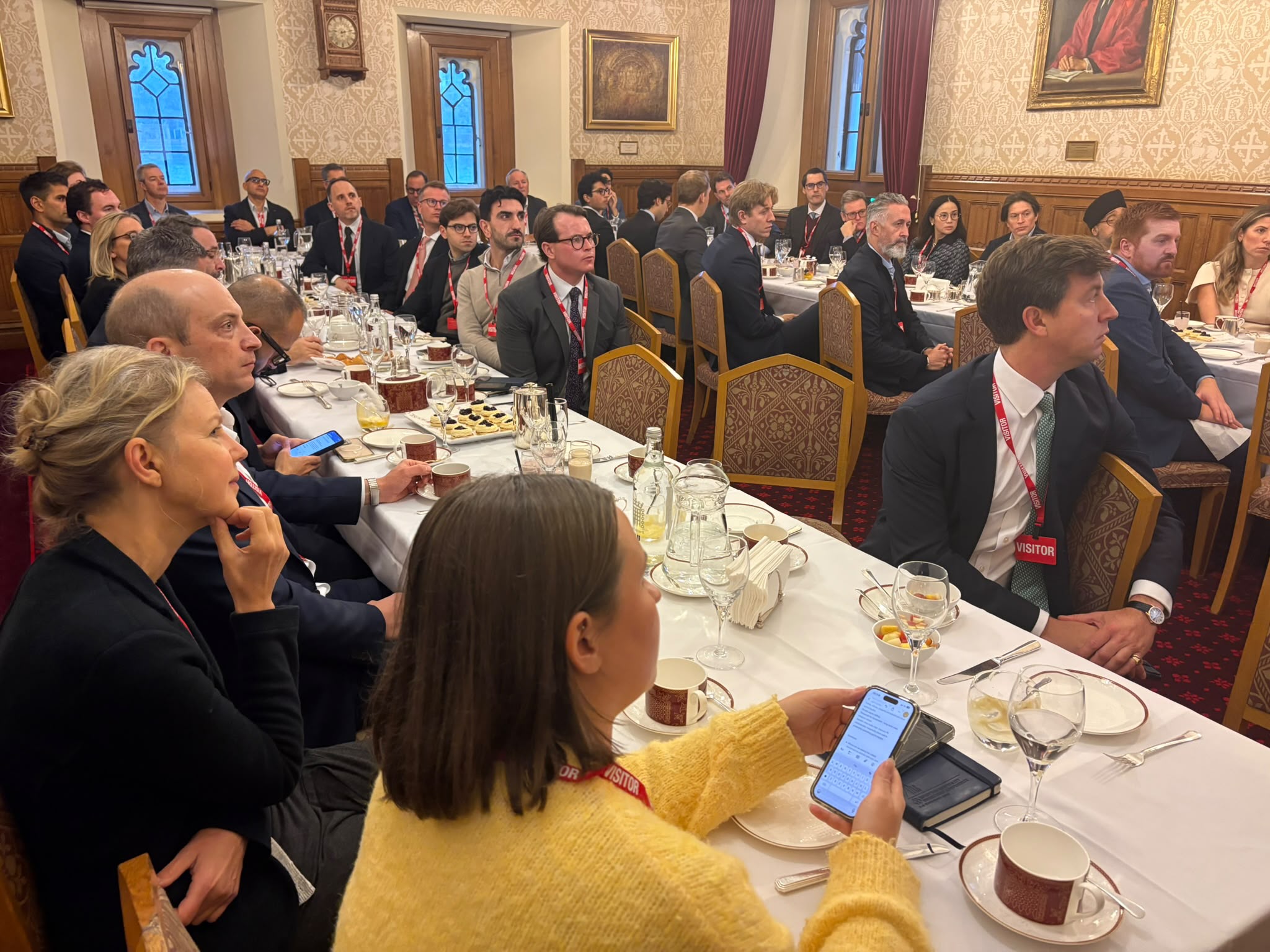
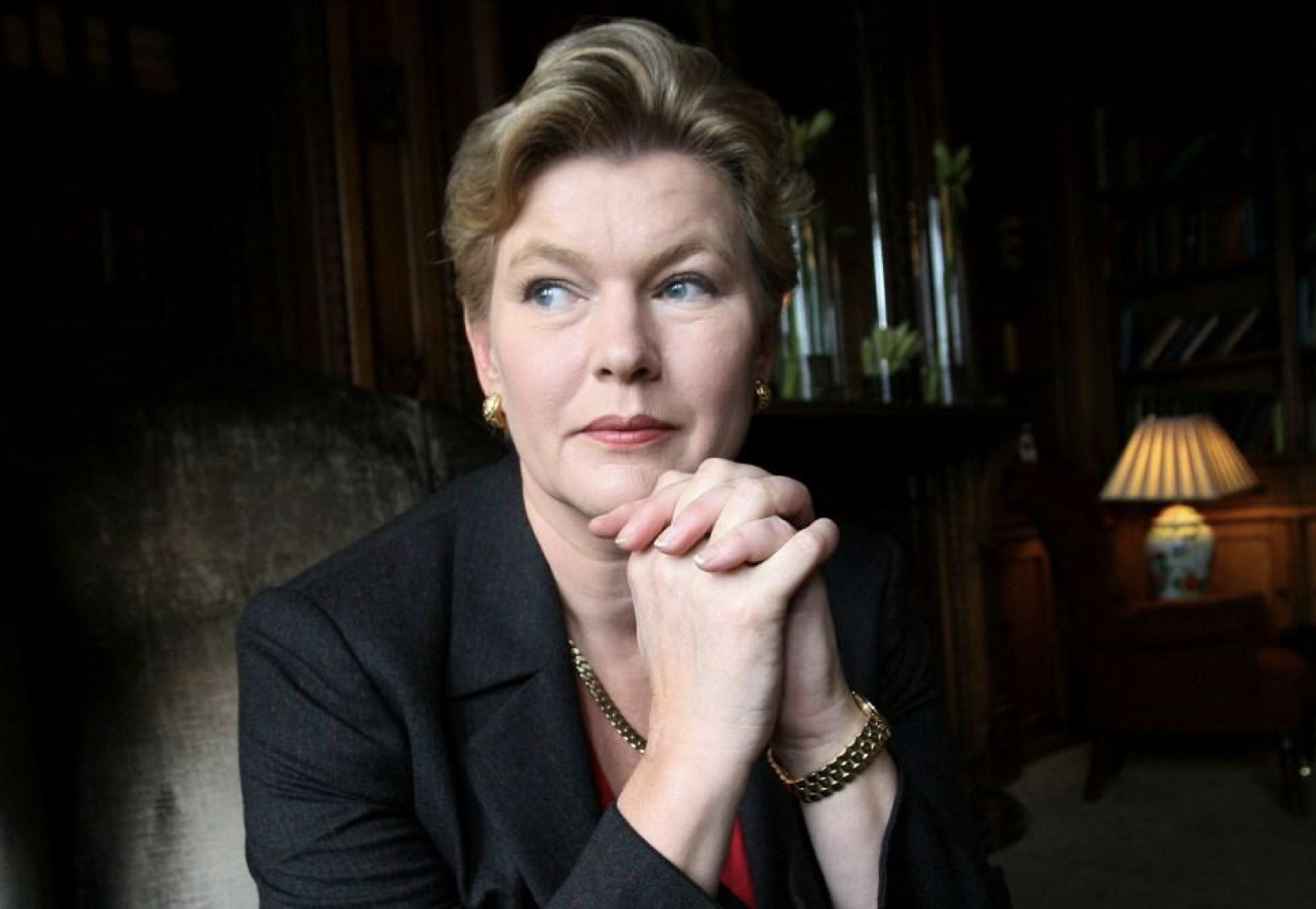
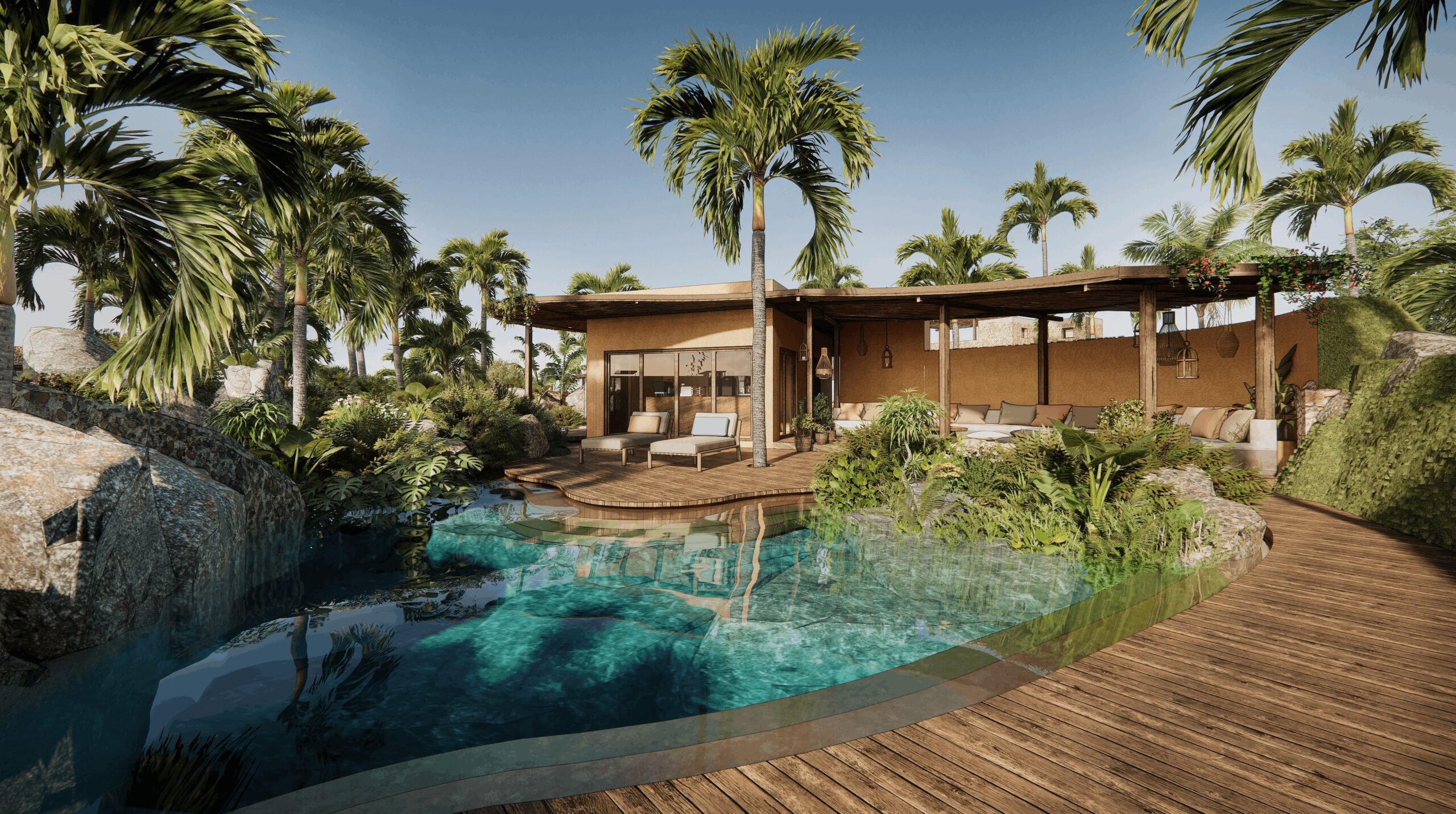
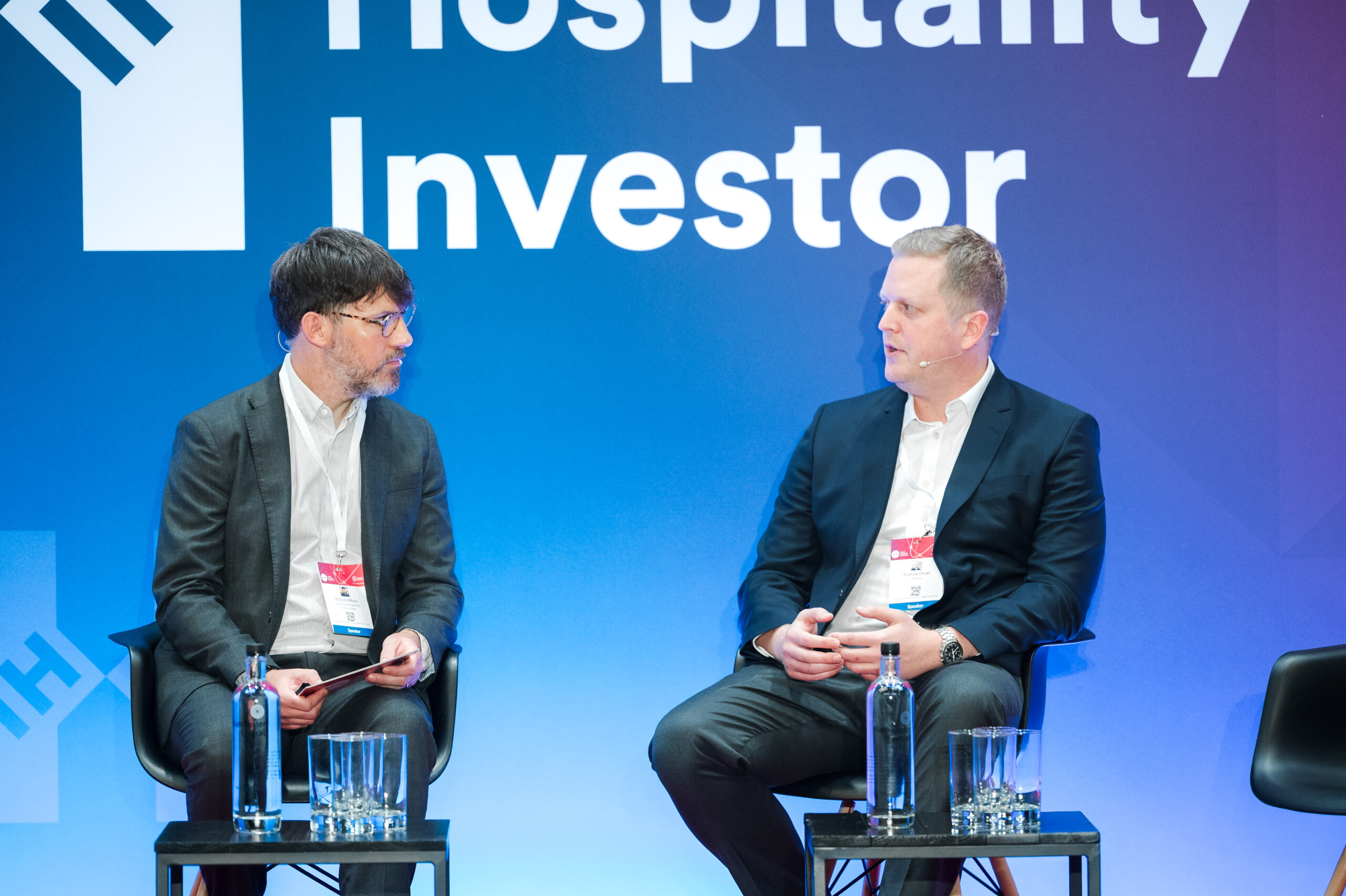
Bisnow’s UK Hotel Real Estate Summit took place at the Novotel London West, examining investment, development, and operations.
With hotel investment up 63 per cent in Q1, panellists described a market finally shaking off its post-pandemic pricing standoff. George Nicholas of Shibui Capital noted that cap rates have stabilised and the bid-ask gap has narrowed enough for deals to happen across regions and price points, pointing to Bulgari and the Rosewood Holborn as current market tests. William Riordan of Oberland said more realistically priced assets, including off-market deals direct with owners, are surfacing as sellers become more realistic.
Nicholas argued investors “can’t rely on ADR growth” anymore and must instead sweat operational performance and costs. Riordan flagged rising construction costs are pushing his firm toward refurbishing heritage buildings rather than ground-up development. Lloyd Lee of Yoo Capital framed the opportunity around mixed-use, experience-led real estate, using the 2.25 million square foot Olympia scheme as an example. Placemaking and optimising “share of wallet” is a theme Lily Wecker of Aethos echoed, emphasising the need to “tap into as much activity as possible” by using real estate to build an emotional connection among guests and the brand.
Alignment makes or breaks a project
A second panel on design, development and operations centred on a recurring tension: engineers, developers, brands and operators each define success differently, and misalignment early in a scheme creates costly problems later.
Mark Goodbrand of Elliott Wood said risk management has to start at project inception, while Filipe D’Avillez of Tribe Hotel Canary Wharf noted that many operational headaches trace directly back to design decisions made without operator input. Segmenting by length of stay, he added, is one way operators can protect both experience and cost control. Kathryn Hardy of Generator said value means something different to each stakeholder around the table (designer, investor, operator) and that early communication is what turns those differences into workable compromises.
Franck Arnold of The Savoy spoke to legacy and innovation, noting that every operator is chasing the same bottom line even as their individual objectives diverge, and that maintaining a hotel’s heritage while staying relevant requires bringing more voices into the room earlier. He also pointed to increased supply in the post-Covid luxury market, backed by growing trust and funding for high-end projects.
Tony O’Brien of Travelodge laid out the harder realities of new development: softening investment yields, rising construction costs, and how project starts and completions in the UK are at record lows. He said conversions and mixed-use schemes are increasingly filling the gap.
Dimitris Manikis of Wyndham Hotels & Resorts argued that financially healthy owners are the foundation for stable staff and, in turn, a great guest experience. He tied this to the democratisation of travel, urging the industry to serve a broad market rather than luxury travellers alone, and closed on a note of resilience, citing the sector’s historic cycles and continued growth in new markets.
Bucking the trend of asset-light models
While much of the industry has drifted toward asset-light, fee-driven structures, Arora Group founder Surinder Arora closed the summit with a reminder of what building and owning real estate the hard way can deliver.
Arora traced his path from waiter to hotel magnate, including constructing a 300-bed Heathrow hotel ahead of schedule and under budget by staying hands-on with contractors and suppliers rather than outsourcing control. That same owner-operator instinct carried him through the 2008 financial crisis, when he credited close relationships with lenders for keeping the business intact, and has since underpinned an in-house construction and development arm that has grown the group to 20 hotels.
Arora argued that owning the asset, rather than merely managing or franchising it, is what allows a business to move fast, protect margins, and hold its nerve through downturns. He left the audience with a simple message: work hard, build relationships, and keep taking calculated risks.