







 :
:


Amy Penrose of Farrer & Co analyses the evolving planning case for hotels, highlighting the role of mixed-use regeneration and destination-led design.
Hotels have traditionally been treated as a commercial use within a wider development, but that description now feels incomplete. In planning and development terms, a well-conceived hotel can be an important placemaking asset, generating activity, supporting regeneration and helping to create a destination for visitors and the local community.
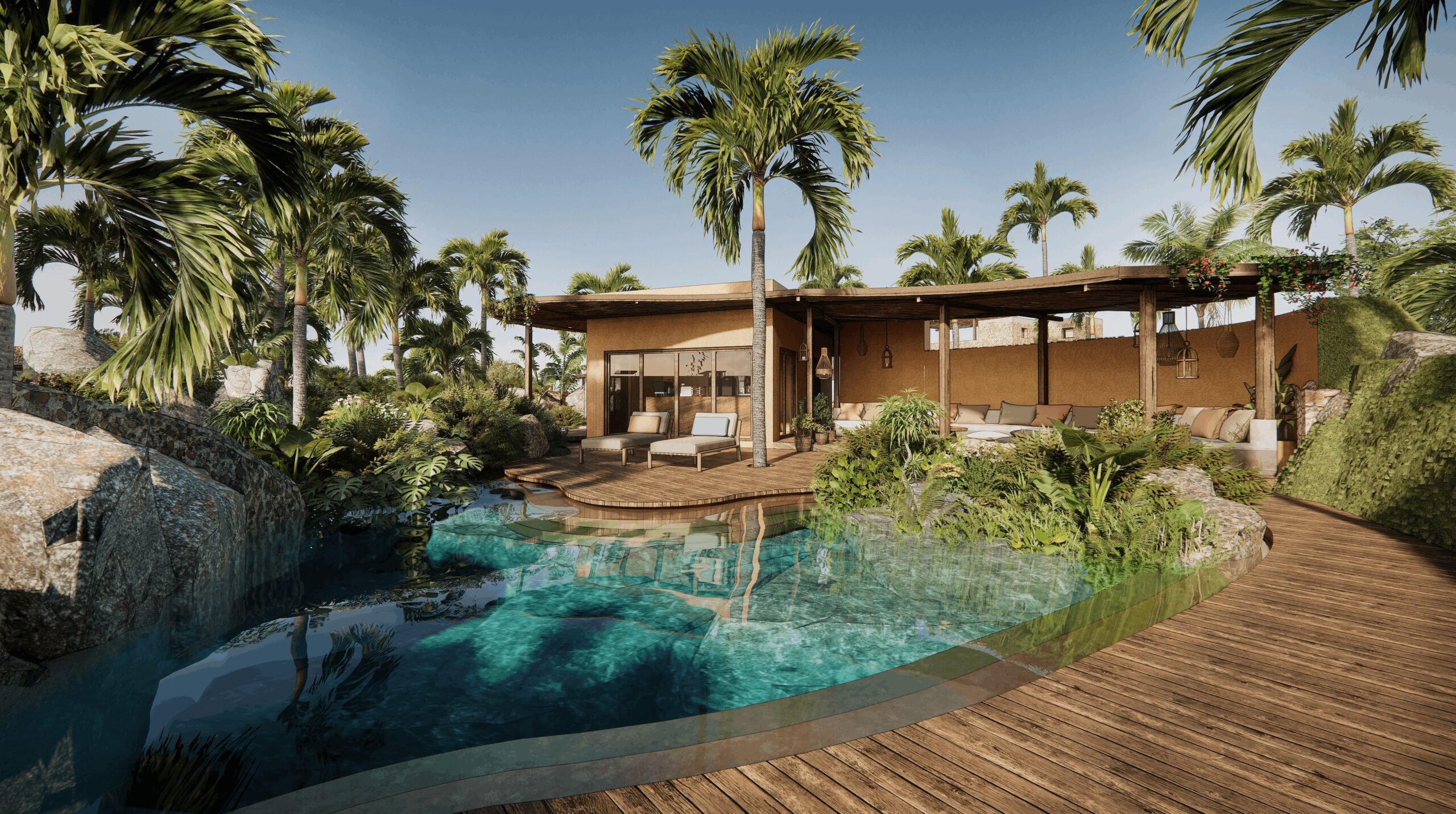
Its role can extend well beyond providing bedrooms. Whether a hotel anchors a mixed-use regeneration scheme, brings a heritage building back into use, or provides the focal point for a rural destination, it can contribute to the character, identity and vitality of a place. The planning case should therefore explain not only why the hotel is commercially viable, but how it will improve and connect with its surroundings.
Hotels as drivers of placemaking
Placemaking is firmly embedded in the UK planning system. Local planning authorities and communities are concerned not only with what a development looks like, but also with how it functions, who uses it, and how it contributes to economic and social activity. Hotels are particularly well placed to respond to those considerations.
Unlike many commercial uses, a hotel can create activity throughout the day and into the evening. Guests, restaurant customers, event attendees and leisure users generate footfall beyond conventional business hours, and restaurants, bars, wellness facilities, meeting spaces and cultural programmes can make the hotel an active part of the neighbourhood rather than an inward-looking building used only by overnight guests.
This can be especially valuable in regeneration areas, where sustained activity is critical to long-term success. A hotel may provide the critical mass needed to support nearby businesses, attract investment and establish a recognisable identity. Job creation, visitor expenditure and improved public realm can all strengthen the planning case.
Making the planning case
Developers understandably focus on market demand and financial viability when promoting a hotel proposal. Those matters are important, but an application relying only on economic arguments may miss an opportunity. The strongest proposals place the hotel within a wider vision for the area and show how that vision will be delivered.
Key questions include how the hotel will engage with its neighbours, which facilities local people can use, how the scheme will support local businesses, and what role it will play in activating streets and public spaces. The planning narrative should also respond to local heritage, culture and landscape.
That approach is particularly important in sensitive locations; a hotel involving a listed building or conservation area may need to demonstrate both the protection of heritage significance and clear public benefits. Rural or resort proposals may need to address landscape, biodiversity, transport, local employment and sustainable tourism. Energy performance, embodied carbon and climate resilience are also becoming integral to the assessment of schemes.
Placemaking and commercial value
The same qualities that support a planning application can also enhance commercial performance. Hotels that become destinations in their own right may benefit from greater customer loyalty, broader demand, and more diverse revenue. Food and beverage, wellness, coworking and events can make productive use of space throughout the day while drawing in customers who are not staying at the hotel.
A strong connection to place can also make an asset more resilient. A hotel supported by local custom, a distinctive identity and several income streams may be better placed to withstand changes in tourism or business travel than one reliant on rooms alone. Those features can strengthen the investment proposition, refinancing and purchaser interest.
Placemaking should therefore inform the commercial concept from the outset, rather than being added later as a branding exercise. Design, operations, planning strategy, and legal arrangements should all support a coherent vision for the hotel and its relationship with the wider destination.
Planning for flexibility
That vision must also be capable of evolving as markets change, brands develop, and guests use hotels differently over time. An overly prescriptive planning permission can restrict the ability to adapt and may ultimately weaken the hotel’s contribution to the place.
Careful thought should therefore be given to the description of development, permitted uses, planning conditions and obligations. Restaurants, bars, cafés, gyms, coworking areas, event spaces, and publicly accessible facilities may be central to the placemaking offer. The planning framework should enable those elements to operate effectively and, where appropriate, change in response to demand.
In mixed-use schemes, practical details matter. Access, servicing, signage, outdoor areas, public realm, and shared infrastructure can determine whether the hotel works as both a destination and a good neighbour. These issues should be considered early, alongside the needs of future operators, funders and potential rebranding or repositioning. Flexibility is not about diluting the original vision, it is about ensuring the hotel can continue to deliver it over the life of the asset.
Creating a lasting place
Planning permission provides the framework, but placemaking is realised through day-to-day operation. Operators need the capability to activate spaces, build local partnerships and create experiences that reflect the character of the location. A welcoming lobby, a restaurant used by residents and a thoughtful events programme can determine whether a hotel becomes part of a place or simply occupies it.
As planning policy and development strategy place greater emphasis on well-designed, mixed and resilient places, hotels have an opportunity to demonstrate that they are more than accommodation providers. They can anchor regeneration, support local economies, and give a destination a distinctive identity. For developers, operators and investors, the most successful hotels will be those planned not simply as buildings, but as places people want to experience, return to and recommend.