









 :
:

[Sponsored] Dr Cedric Rodrigues, co-founder and chief product officer of Cadae, explains why net zero hotels must prioritise carbon reduction before relying on carbon trading and offsets.
The hospitality industry is entering a defining decade. Pressure is mounting from investors, regulators, and guests alike, and expectations around sustainability are no longer optional. According to the World Sustainable Hospitality Alliance, hotels must reduce their carbon emissions per room by 66 per cent by 2030. That is a profound shift for an industry built on energy-intensive operations.
Across my work with leading international hotel groups, I continue to encounter a critical misunderstanding: many organisations believe they can achieve net zero carbon status simply by purchasing carbon credits or offsets. In reality, recognised global frameworks such as the Science Based Targets initiative (SBTi) require businesses to follow a strict “mitigation hierarchy”, prioritising deep internal emissions reductions before turning to offsets or carbon trading. Whilst carbon trading does have an important role to play, relying on it as the primary route to net zero is both fundamentally flawed and increasingly expensive.
The reality is more nuanced. Most hotels, if they truly focus on operational efficiency, can achieve significant reductions in carbon emissions, typically in the region of 30-40 per cent. This comes from addressing inefficiencies that are often hidden in plain sight: poorly optimised HVAC systems, excessive ventilation rates, outdated equipment, and inconsistent maintenance practices. In particular, delivering thermal comfort to guests – through heating, cooling, and fresh air systems – accounts for the majority of energy consumption in hotels. These systems are frequently oversized and rarely adapt effectively to fluctuating occupancy, resulting in a built-in level of inefficiency before a single guest even enters the room.
Reaching net zero requires hotels to take a structured approach to reducing emissions across both operations and the wider supply chain. This typically begins with upgrading to more energy-efficient equipment, including LED lighting, high-efficiency HVAC systems, and modern kitchen and laundry appliances. Hotels can further reduce waste through smart occupancy controls that dynamically adjust heating, cooling, and lighting based on room usage.
A key step is electrification, replacing oil- and gas-fired boilers with heat pumps and removing fossil fuels from kitchens wherever possible. At the same time, hotels must transition towards renewable energy sources, either through on-site solar generation or certified green electricity contracts. Beyond the building itself, supply chain improvements also play an important role, with hotels working alongside vendors to reduce emissions associated with food sourcing, low-carbon menus, and external laundry services.
When these inefficiencies are tackled systematically, the results can be transformative. In fact, many hotels can unlock substantial savings, often achieving carbon reductions of over 50 per cent through structured operational changes and targeted investments. This is the essential first step towards any credible net zero strategy: reducing emissions at source while simultaneously lowering operating costs.
However, even after implementing best practices and investing wisely, there is almost always a residual gap. A hotel that starts at 100 tonnes of carbon emissions might successfully reduce this to 40 tonnes. That remaining 40 is where the challenge lies. In many cases, eliminating it entirely is either prohibitively expensive or technically unfeasible due to building constraints, operational requirements, or guest expectations.
Offsetting involves using high-quality, nature-based removal credits to cover any remaining unavoidable emissions. This is precisely where carbon trading becomes relevant, but only at this final stage. Carbon trading is a market-based mechanism that allows organisations to offset emissions by purchasing credits generated off-site. These credits often originate from initiatives such as large-scale reforestation projects, where millions of trees are planted to absorb carbon from the atmosphere, or from other carbon capture systems. The carbon removed is quantified, certified, and then sold as credits to organisations seeking to offset their remaining emissions. In effect, hotels become participants in a global exchange, purchasing the exact volume of carbon reduction they cannot achieve themselves.
But this mechanism must be used carefully. Carbon trading should never be seen as a shortcut to net zero. It is, by definition, an ongoing cost. Over-reliance on offsets can quickly become financially unsustainable, particularly if carbon prices rise. Moreover, without an accurate understanding of emissions, hotels risk either over-purchasing credits – wasting hard-won revenue – or under-purchasing, which can lead to compliance issues and reputational damage.
One of the most common issues I encounter is the absence of a reliable baseline. Many hotels simply do not have accurate, consolidated data on their energy consumption or carbon output. Information is often fragmented across systems, inconsistently recorded, or not validated. Without this foundation, any attempt to forecast future emissions or plan a path to net zero becomes guesswork. And guesswork, in this context, is expensive.
This is why achieving net zero requires a structured, long-term roadmap, typically spanning five to seven years. It begins with a disciplined focus on carbon reduction: identifying inefficiencies, implementing operational improvements, and planning targeted capital investments. It then evolves into a dynamic strategy that continuously measures progress, updates forecasts, and refines priorities. Only once the maximum feasible reduction has been achieved does carbon trading come into play, bridging the remaining gap in a controlled and informed way.
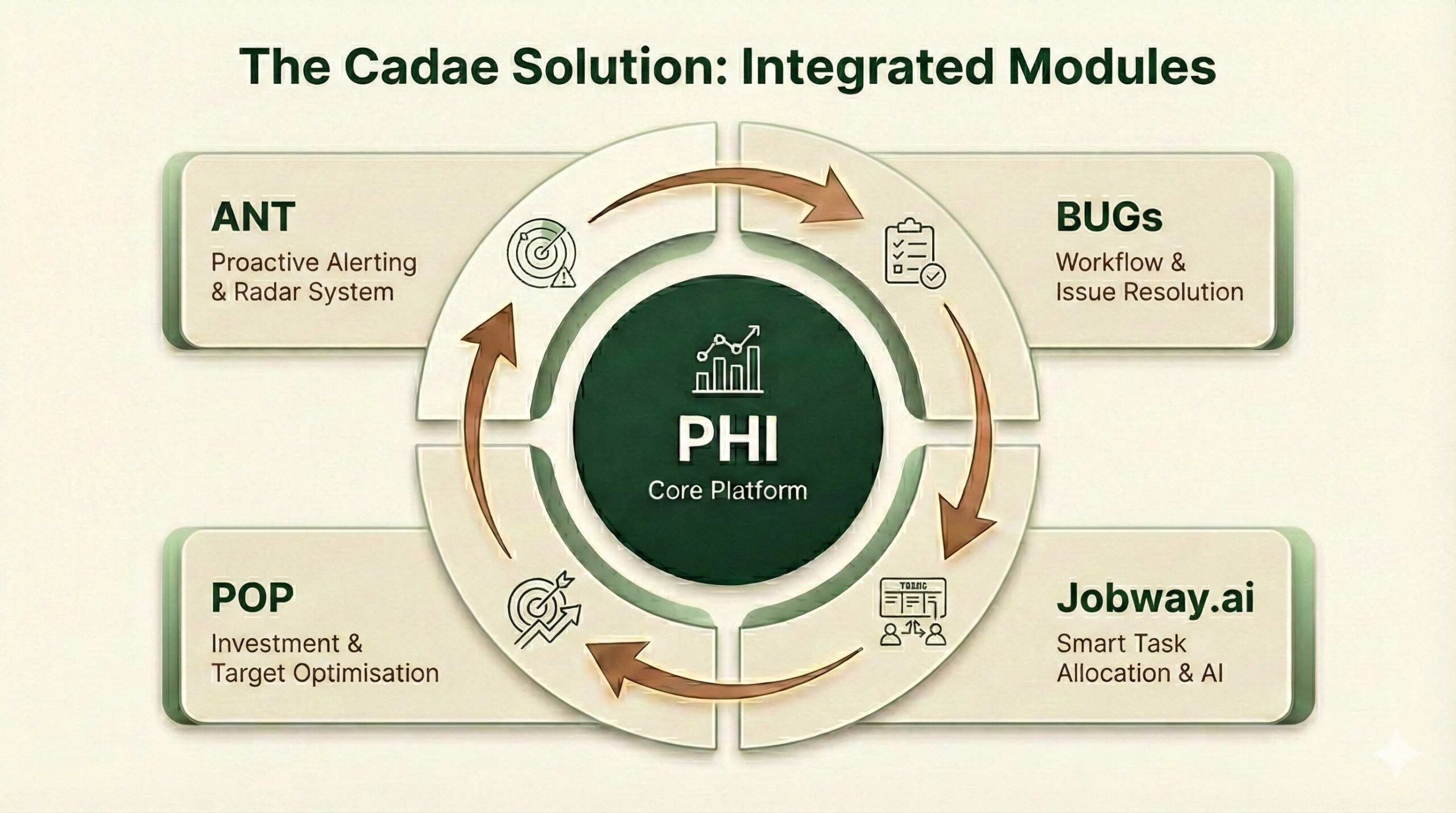
At Cadae, we developed our Performance Hotel Insights (PHI) platform to enable exactly this approach. Our goal is not simply to provide data, but to transform how hotels manage utilities and make decisions. PHI establishes a robust and auditable baseline, continuously collects and validates consumption data, and translates it into clear, actionable insights. It identifies both immediate efficiency gains and longer-term investment opportunities, while also forecasting future energy use and associated carbon emissions.
Crucially, this allows hotels to quantify their residual emissions gap with greater precision. Rather than guessing how many carbon credits to purchase, they can make informed decisions based on accurate projections. The platform effectively provides what many hotels lack: a structured, data-driven pathway to net zero, supported by ongoing monitoring and continuous improvement. As we often describe it, it becomes an “expert in your pocket”, guiding teams through complex decisions with clarity and confidence.
Looking ahead, the next three to five years will be defined by accountability. ESG reporting will become more rigorous, and stakeholders will demand evidence – not intentions. Hotels that succeed will not be those that rely heavily on offsets, but those that demonstrate genuine operational improvement supported by credible data. They will understand their energy use in detail, invest intelligently, and approach carbon trading as a final optimisation rather than a primary solution.
The message for hotel owners is simple but urgent. Doing nothing is not an option. The path to net zero is achievable, but it requires a shift in mindset: from reactive compliance to proactive management. Start with reduction, build a structured roadmap, and use carbon trading only where it truly adds value.
Those who act early and decisively will not only meet their sustainability targets but also gain a meaningful competitive advantage in an increasingly scrutinised market.