









 :

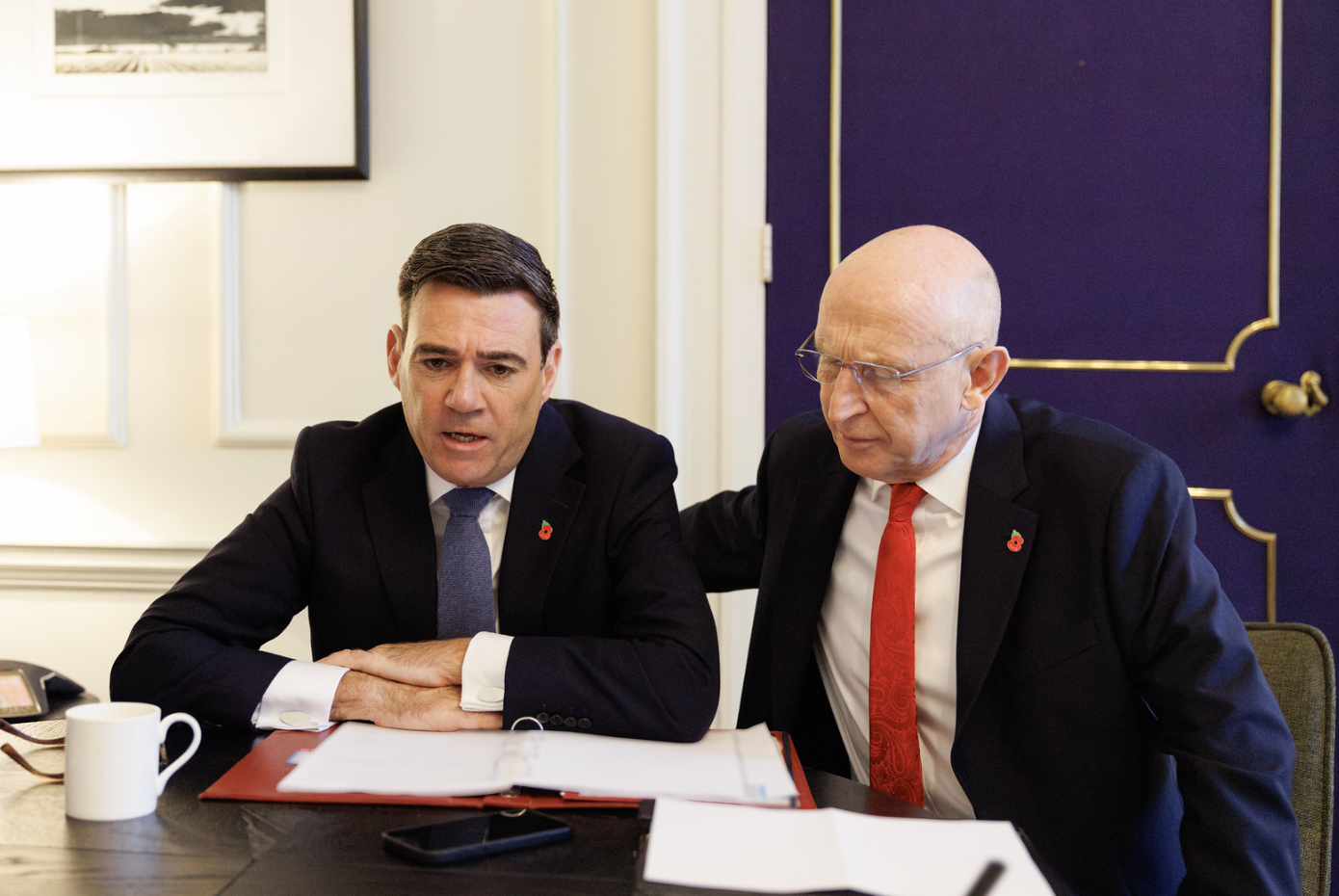
UK: Chancellor John Healey delivered his first Autumn Budget, presenting a package “built on fiscal discipline” for “business big and small”.
The Budget included an increase in the Small Business Rate Relief threshold from £12,000 to £18,000, intended to exempt 70,000 small businesses, a real-terms freeze on business rates for larger eligible venues, and a targeted £10 million alcohol duty relief package for small independent brewers.
Alongside these measures, the Budget included a 3.9 per cent increase to the National Minimum Wage from April 2027 and an RPI-linked 3.9 per cent increase to standard alcohol duty, both of which will have implications for operating costs across hospitality. The standard VAT rate remains at 20 per cent, with no sector-specific reduction announced, while existing employer National Insurance arrangements remain unchanged.
These measures present a mixed picture for hospitality businesses, with the financial implications varying according to their size, structure and operating model, according to the IoH.
“Hospitality businesses need the right conditions to create jobs, invest in their people and plan for the future,” said Robert Richardson, the IoH’s chief executive. “When financial pressures increase, decisions about recruitment, training and development can become more difficult, but the people who lead our businesses and deliver exceptional hospitality remain our greatest asset, and supporting them must continue to be a priority. There is no point in burning the lifeboat to save the ship.”
Allen Simpson, chief executive of UKHospitality, said: “While we are encouraged that we have a Government that is now listening, we urge them to go further, faster, to address the unequal tax burden on the sector, and to help us unlock investment, deliver on their commitment to create jobs for young people, and growth for this industry and the economy.”
While the increase in the business rates relief threshold is welcome news for smaller hospitality businesses, Jane Pendlebury, CEO of HOSPA, points out that hotels and larger venues outside the full-relief threshold also need the confidence and financial capacity to invest.
“While lower minimum wage rates for younger workers remain in place, the 3.9 per cent increases must still be considered alongside the wider costs of employment, business rates and energy,” she said. “Operators need room to improve pay while continuing to offer first jobs, invest in training and create opportunities for young people.”
She added, “Hospitality can create jobs and bring investment into communities across the country. Giving businesses a sustainable cost base is essential if the Government wants the sector to fulfil that potential.”
Giles Fuchs, owner of Burgh Island Hotel, said: “The industry is being asked to absorb rising employment costs while continuing to invest in future growth, and more support is needed to help businesses manage these competing pressures. If the government wants to support the sector, it needs to consider the cumulative impact of taxation on both businesses and consumers. Higher costs ultimately feed through into prices, adding further pressure to households already struggling with the cost of living.”
Despite the Budget extending an additional 20 per cent business rates relief for pubs, social clubs and live music venues in England, larger businesses such as hotels did not receive this exemption.
Switch Management’s managing director, John Angus, said that leaving hotels outside this relief overlooks the contribution they make to the wider local economy, and urges the government to reconsider including hotels.
“Hotels bring visitors into town and city centres, supporting spending in nearby restaurants, shops and attractions. Leaving them outside this relief overlooks the contribution they make to the wider local economy,” Angus said.
Healey also confirmed that mayors and leaders of strategic authorities will be given the powers to introduce the accommodation levy from 2028. These will be charged as a percentage of the nightly accommodation rate rather than as a flat fee, with local leaders able to determine how the revenue is spent.
Joss Croft, CEO, UKinbound, said: “The proposed implementation timeline for an England Overnight Visitor Levy is a significant red flag for the visitor economy. The industry needs a minimum 18-month implementation period once the details have been finalised. Any authority considering a levy must undertake robust economic impact assessments before implementation begins. Scotland’s experience has shown just how complex visitor levy implementation can be, and England cannot afford to rush it.”
The Scotland Tourism Alliance (STA) said that the Budget failed to unlock Scotland’s tourism growth, and that the increase in the National Living Wage will place even greater pressure on tourism and hospitality businesses already struggling with rising employment costs.
“We recognise the difficult decisions facing the Chancellor, but it is disappointing that the Budget has not gone further in addressing the pressures facing our tourism and hospitality businesses,” said Marc Crothall, STA’s chief executive. “We have been very clear in our ask to the UK government to lower VAT for our sector to 10 per cent and look again at employer National Insurance. Both would make a real difference to businesses, allowing them to employ people, invest in their product and continue to grow.”
While hospitality and leisure businesses in England received additional business rates relief, tourism and hospitality businesses in Scotland will be looking to the Scottish government to seek further business relief and ensure that there are no further rises in its Budget on 3 December.
“Our tourism and hospitality sector has considerable untapped potential as a growth industry and a key export for Scotland. With the right policies in place, it can create more wealth and employment and bring economic benefit to communities right across the country,” Crothall said. “We need the UK government to recognise that potential and help us turn strong demand for Scotland into economic growth.”