







 :
:

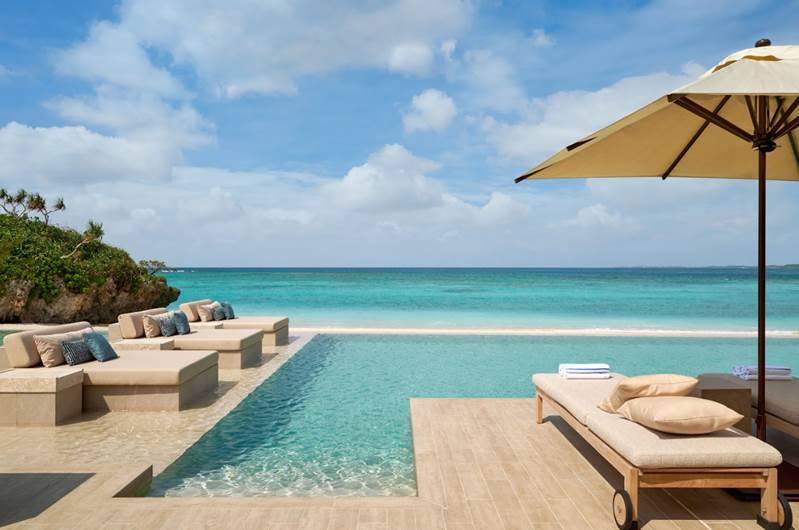
Japan: Luxury lifestyle hospitality group Rosewood Hotels & Resorts has opened its first property in Japan, a 55-room luxury resort on the island of Miyakojima.
The launch marks the group’s expansion into the Japanese market as it strengthens its presence in Asia.
The resort, located on a remote peninsula off mainland Japan’s southern coast, aims to attract domestic and international travellers.
Rosewood Miyakojima features four restaurants and bars, a wellness centre under the Asaya brand, and event spaces, including a private oceanfront pavilion for weddings and corporate gatherings.
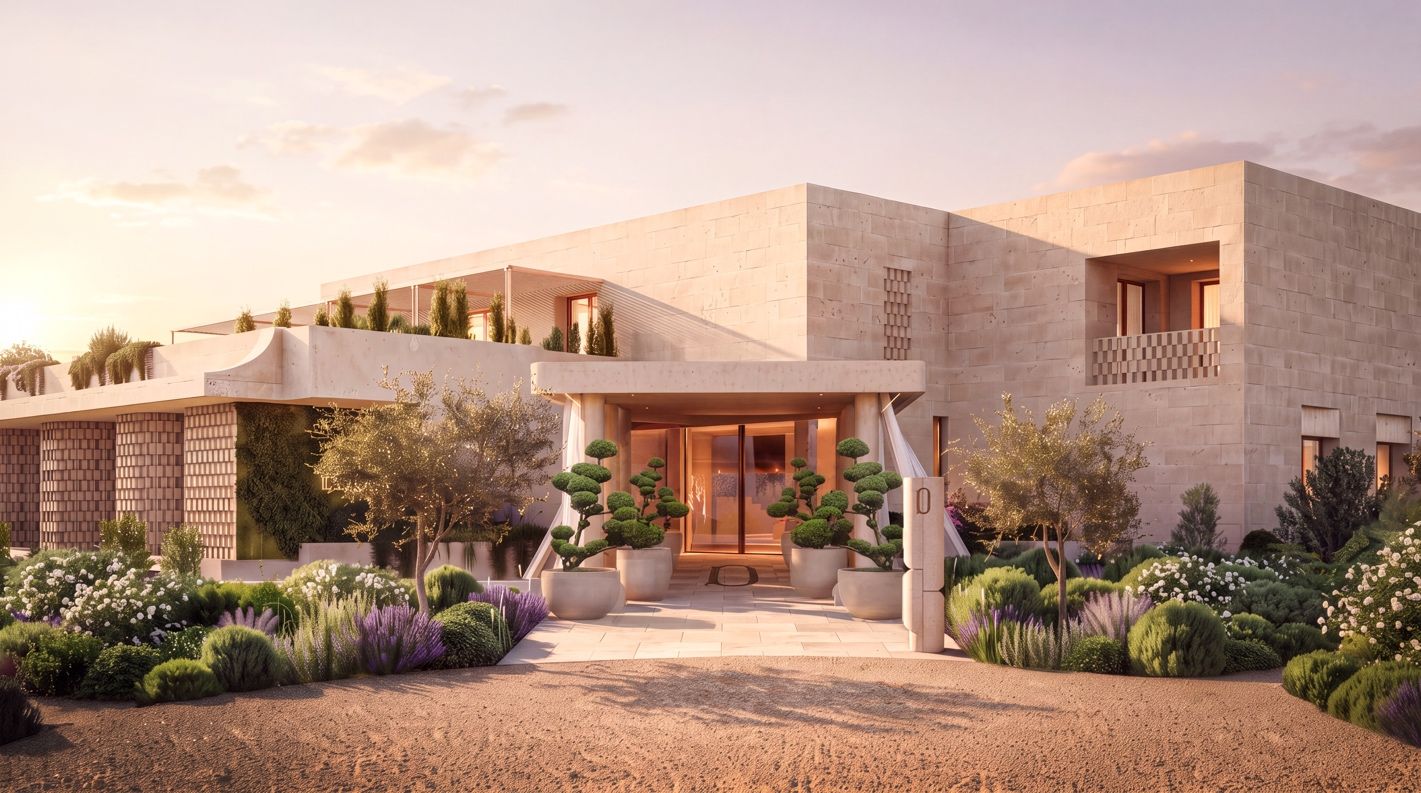
The Dutch design studio Studio Piet Boon designed the resort with a focus on sustainability and traditional Ryukyu aesthetics. The architecture utilises natural materials, including locally sourced Ryukyu stone, and aims to blend with the island’s environment.
Villas and houses are spread across five zones, each reflecting different landscapes of the island, from cliffs to beaches.
The resort’s wellness offerings include therapies inspired by Okinawan healing traditions, a fitness center and a yoga studio.
Guests can also participate in local cultural activities such as pottery, weaving, and martial arts, as well as outdoor experiences like snorkelling and spearfishing.
Noriko Nakayama, managing director of Rosewood Miyakojima said: “It is with great pleasure that we introduce Rosewood’s first property in Japan on the beautiful island of Miyakojima, a destination rich in cultural heritage and natural splendour.
“Rosewood Miyakojima embarks on an exciting journey to embody Rosewood’s A Sense of Place philosophy, offering a curated selection of experiences, from exceptional culinary journeys to immersive encounters with local wildlife.
“I am especially excited to invite our guests to become sea turtle ambassadors, where together we will explore Miyakojima’s undiscovered ecology and gain a deeper understanding of these incredible creatures that call the island home,” she added.
Piet Boon, founder of Studio Piet Boon said: “We feel a deep connection to Japanese culture, particularly in design principles such as simplicity, balance, and harmony. These elements were essential in shaping the property, allowing us to create a seamless blend of luxury and tranquillity, one that celebrates both the local environment and our shared design values.”